Nutrition · Health information
Unlocking the Benefits of the Keto Diet
The Keto diet, short for ketogenic diet, is a low-carbohydrate, high-fat eating plan designed to shift the body’s metabolism from burning…


The Keto diet, short for ketogenic diet, is a low-carbohydrate, high-fat eating plan designed to shift the body’s metabolism from burning carbohydrates to burning fat. This dietary approach significantly reduces carbohydrate intake while increasing fat consumption, leading to a metabolic state known as ketosis. In ketosis, the body becomes highly efficient at burning fat for energy, which can lead to weight loss and other health benefits.
The primary goal of the Keto diet is to induce ketosis, where the liver converts fat into ketones, which serve as an alternative energy source. By drastically cutting carbs and replacing them with healthy fats, the body learns to rely on fat stores for fuel. This shift not only aids in weight loss but also stabilizes blood sugar levels and reduces hunger pangs, making it easier to adhere to the diet.
Key takeaways
- The Keto Diet is a high-fat, low-carb diet that aims to put the body into a state of ketosis, where it burns fat for fuel instead of carbohydrates.
- Ketosis occurs when the body’s glucose levels are depleted, forcing it to break down fat for energy, leading to weight loss.
- The Keto Diet has been linked to weight loss, improved energy levels, and better mental clarity, making it a popular choice for many.
- Potential risks and side effects of the Keto Diet include nutrient deficiencies, keto flu, and gastrointestinal issues, so it’s important to be mindful of these when starting out.
- Meal planning and recipes for the Keto Diet focus on high-fat, moderate-protein, and low-carb options, with plenty of delicious and satisfying choices available.
The Science Behind Ketosis: How the body switches from burning carbs to burning fat
When you consume a typical diet high in carbohydrates, your body primarily uses glucose as its main energy source. However, when carbohydrate intake is significantly reduced, the body enters a state of ketosis. In this state, insulin levels drop, prompting the body to release stored fat from adipose tissue.
The liver then converts this fat into ketones, which can be used by the brain and other organs as an energy source. The transition into ketosis can take anywhere from a few days to a week, depending on individual metabolism and activity levels. During this time, many people experience symptoms known as the “keto flu,” which may include fatigue, headaches, and irritability.
However, once fully adapted to ketosis, individuals often report increased mental clarity and sustained energy levels throughout the day.
Health Benefits of the Keto Diet: Weight loss, improved energy levels, and more
The Keto diet offers numerous health benefits beyond weight loss. One of the most significant advantages is its ability to promote rapid fat loss while preserving lean muscle mass. This is particularly beneficial for those looking to shed pounds without sacrificing muscle strength.
Additionally, many individuals experience improved energy levels and mental clarity once they adapt to burning fat for fuel. Research has also shown that the Keto diet may help manage certain medical conditions. For instance, it has been used as a therapeutic approach for epilepsy, particularly in children who do not respond well to traditional treatments.
Furthermore, emerging studies suggest that the Keto diet may have potential benefits for individuals with type 2 diabetes by improving insulin sensitivity and regulating blood sugar levels.
Potential Risks and Side Effects: What to watch out for when starting the Keto Diet
While the Keto diet can be beneficial for many, it is essential to be aware of potential risks and side effects. One common concern is nutrient deficiency due to the restrictive nature of the diet. Since many fruits, vegetables, and whole grains are limited or eliminated, individuals may miss out on essential vitamins and minerals.
It’s crucial to plan meals carefully to ensure nutritional adequacy. Another potential side effect is the “keto flu,” which can occur during the initial transition into ketosis. Symptoms may include fatigue, headaches, nausea, and irritability.
Staying hydrated and ensuring adequate electrolyte intake can help alleviate these symptoms. Additionally, individuals with certain health conditions or those taking specific medications should consult a healthcare professional before starting the Keto diet.
Meal Planning and Recipes: How to create delicious and satisfying Keto meals
Creating delicious and satisfying Keto meals requires some planning but can be enjoyable and rewarding. Start by focusing on whole foods that are high in healthy fats and low in carbohydrates. Foods such as avocados, nuts, seeds, fatty fish, and olive oil should be staples in your pantry.
When meal planning, consider incorporating a variety of flavors and textures to keep meals interesting. For example, try zucchini noodles topped with creamy Alfredo sauce or cauliflower rice stir-fried with vegetables and chicken. There are countless Keto-friendly recipes available online that can inspire your meal prep while ensuring you stay within your carb limits.
Tips for Success: Strategies for sticking to the Keto Diet and overcoming challenges
Sticking to the Keto diet can be challenging at times, but several strategies can help ensure success. First, meal prepping is essential; preparing meals in advance can prevent last-minute temptations and make it easier to stay on track. Additionally, keeping healthy snacks on hand can help curb cravings between meals.
Another effective strategy is to find a support system or community of like-minded individuals who are also following the Keto diet. Sharing experiences, recipes, and tips can provide motivation and accountability. Lastly, be patient with yourself; transitioning into a new way of eating takes time and practice.
Exercise and the Keto Diet: How to maximize the benefits of physical activity while on Keto
Exercise plays a crucial role in maximizing the benefits of the Keto diet. While on Keto, many individuals find they have increased energy levels, making it an excellent time to incorporate regular physical activity into their routine. Engaging in both aerobic exercises like walking or cycling and strength training can enhance fat loss while preserving muscle mass.
It’s important to listen to your body when exercising on a Keto diet. Some people may experience decreased performance during high-intensity workouts initially due to lower glycogen stores. However, as your body adapts to using fat for fuel, many find their endurance improves over time.
Keto for Specific Health Conditions: How the Keto Diet can be beneficial for certain medical conditions
The Keto diet has gained attention for its potential benefits in managing specific health conditions beyond weight loss. For instance, research indicates that it may be effective in reducing seizures in individuals with epilepsy who do not respond well to conventional treatments. The high-fat content of the diet provides an alternative energy source for the brain.
Additionally, emerging studies suggest that the Keto diet may have therapeutic effects for conditions such as Alzheimer’s disease and certain types of cancer by altering metabolic pathways. However, more research is needed in these areas, and individuals should consult healthcare professionals before using the Keto diet as a treatment strategy.
Long-term Sustainability: Maintaining the Keto Diet as a lifestyle, not just a temporary fix
For many people, maintaining the Keto diet long-term can be challenging but achievable with the right mindset and strategies. Instead of viewing it as a temporary fix for weight loss, consider adopting it as a lifestyle change that promotes overall health and well-being. To sustain this lifestyle change, focus on incorporating a variety of foods within the Keto framework to prevent boredom and ensure nutritional balance.
Additionally, allow for occasional flexibility; enjoying a treat now and then can help prevent feelings of deprivation that often lead to binge eating.
Combining Keto with Intermittent Fasting: How these two approaches can complement each other for even greater benefits
Combining the Keto diet with intermittent fasting can enhance its benefits significantly. Intermittent fasting involves cycling between periods of eating and fasting, which can help improve insulin sensitivity and promote fat loss. When combined with a low-carb diet like Keto, this approach may accelerate weight loss while providing additional health benefits.
The synergy between these two methods lies in their ability to optimize fat burning and improve metabolic health. Many individuals find that intermittent fasting helps them adhere to their eating windows more easily while on a Keto diet since both approaches focus on reducing carbohydrate intake.
Personal Stories and Successes: Real-life experiences of individuals who have unlocked the benefits of the Keto Diet
Real-life success stories can be incredibly motivating for those considering or currently following the Keto diet. Many individuals have shared their transformative journeys online, highlighting significant weight loss achievements along with improvements in energy levels and overall health markers. For example, one individual reported losing over 50 pounds within six months while following a strict Keto regimen combined with regular exercise.
They noted increased mental clarity and reduced cravings for sugary foods as key benefits of their lifestyle change. These personal stories serve as powerful reminders that with dedication and commitment, anyone can unlock the benefits of the Keto diet. Understanding the intricacies of the Keto diet can empower you to make informed decisions about your health journey.
By embracing this low-carb lifestyle thoughtfully and strategically, you can experience its numerous benefits while navigating potential challenges effectively. Whether you’re looking to lose weight or improve your overall health, the Keto diet offers a promising path forward when approached with care and commitment.
FAQs
What is a keto diet?
A keto diet is a high-fat, low-carbohydrate diet that has been shown to help with weight loss and improve certain health conditions. It involves drastically reducing carbohydrate intake and replacing it with fat, forcing the body into a state of ketosis.How does a keto diet work?
When you drastically reduce your carbohydrate intake, your body enters a metabolic state called ketosis. In ketosis, your body becomes incredibly efficient at burning fat for energy. This can lead to weight loss and other health benefits.What can you eat on a keto diet?
On a keto diet, you should focus on eating high-fat foods such as meat, fish, eggs, dairy, oils, and non-starchy vegetables. You should limit your intake of carbohydrates, including grains, sugars, fruits, and starchy vegetables.What are the potential benefits of a keto diet?
Some potential benefits of a keto diet include weight loss, improved blood sugar control, reduced risk of heart disease, and improved mental clarity. It may also be beneficial for certain medical conditions such as epilepsy and diabetes.Are there any risks or side effects associated with a keto diet?
Some people may experience initial side effects when starting a keto diet, such as fatigue, dizziness, and irritability. Long-term risks may include nutrient deficiencies, liver problems, and an increased risk of heart disease if the diet is not followed properly.Is a keto diet suitable for everyone?
A keto diet may not be suitable for everyone, especially those with certain medical conditions such as pancreatitis, liver disease, or disorders of fat metabolism. It is important to consult with a healthcare professional before starting a keto diet, especially if you have any underlying health concerns.More in
More from Nutrition
Nutrition · 9 min
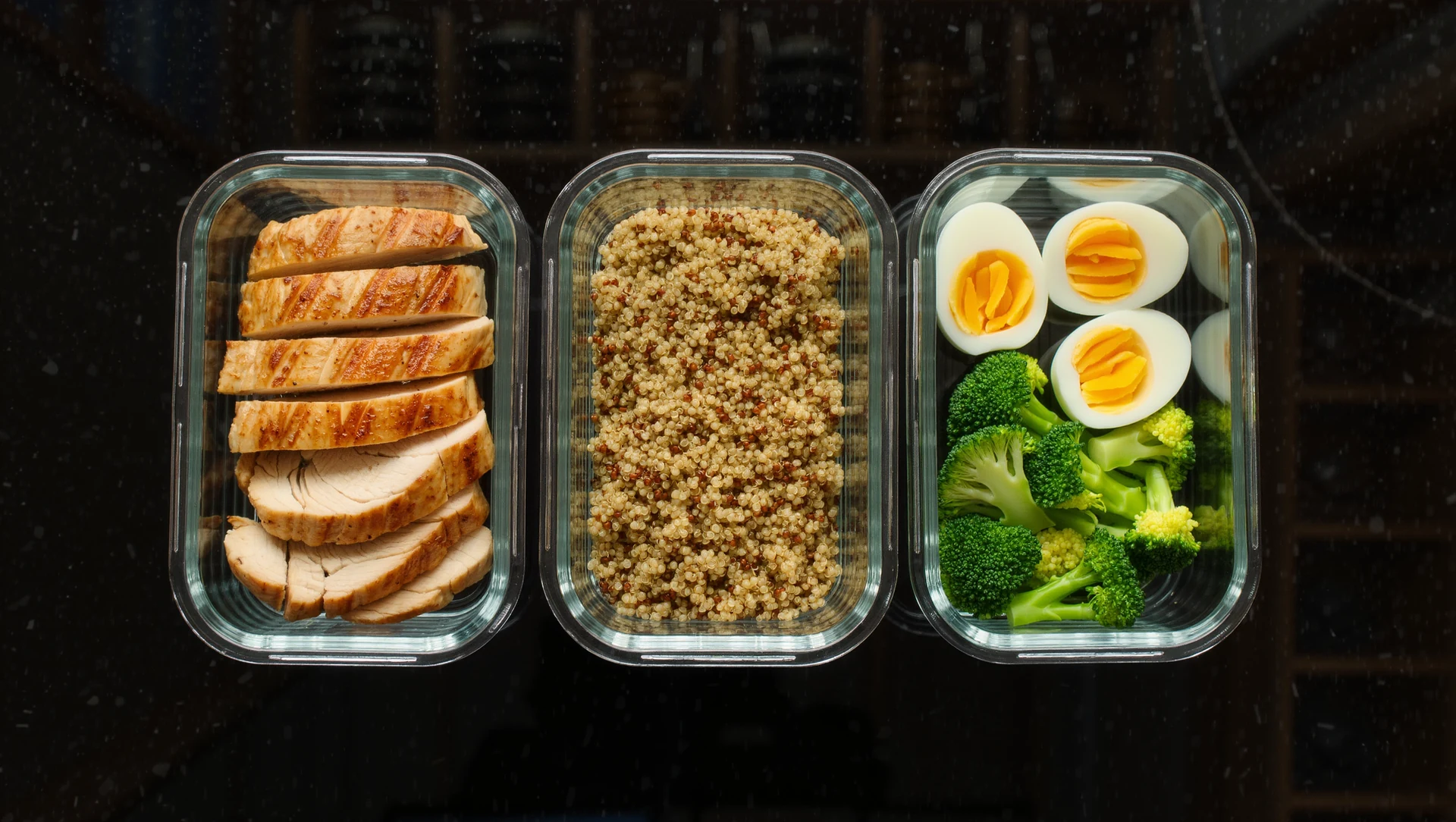
Top High Protein Meals for a Stronger Body
High protein meals are essential for anyone looking to build muscle effectively. Protein plays a crucial role in muscle repair and growth

Nutrition · 8 min
Discover the Benefits of a Plant-Based Diet
A plant-based diet emphasizes the consumption of whole, minimally processed foods derived primarily from plants. This includes fruits

Nutrition · 9 min
The Health Benefits of the Mediterranean Diet
The Mediterranean Diet is more than just a way of eating; it’s a lifestyle that emphasizes fresh, wholesome foods and a balanced approach to