Nutrition · Health information
Discover the Benefits of a Plant-Based Diet
A plant-based diet emphasizes the consumption of whole, minimally processed foods derived primarily from plants. This includes fruits…
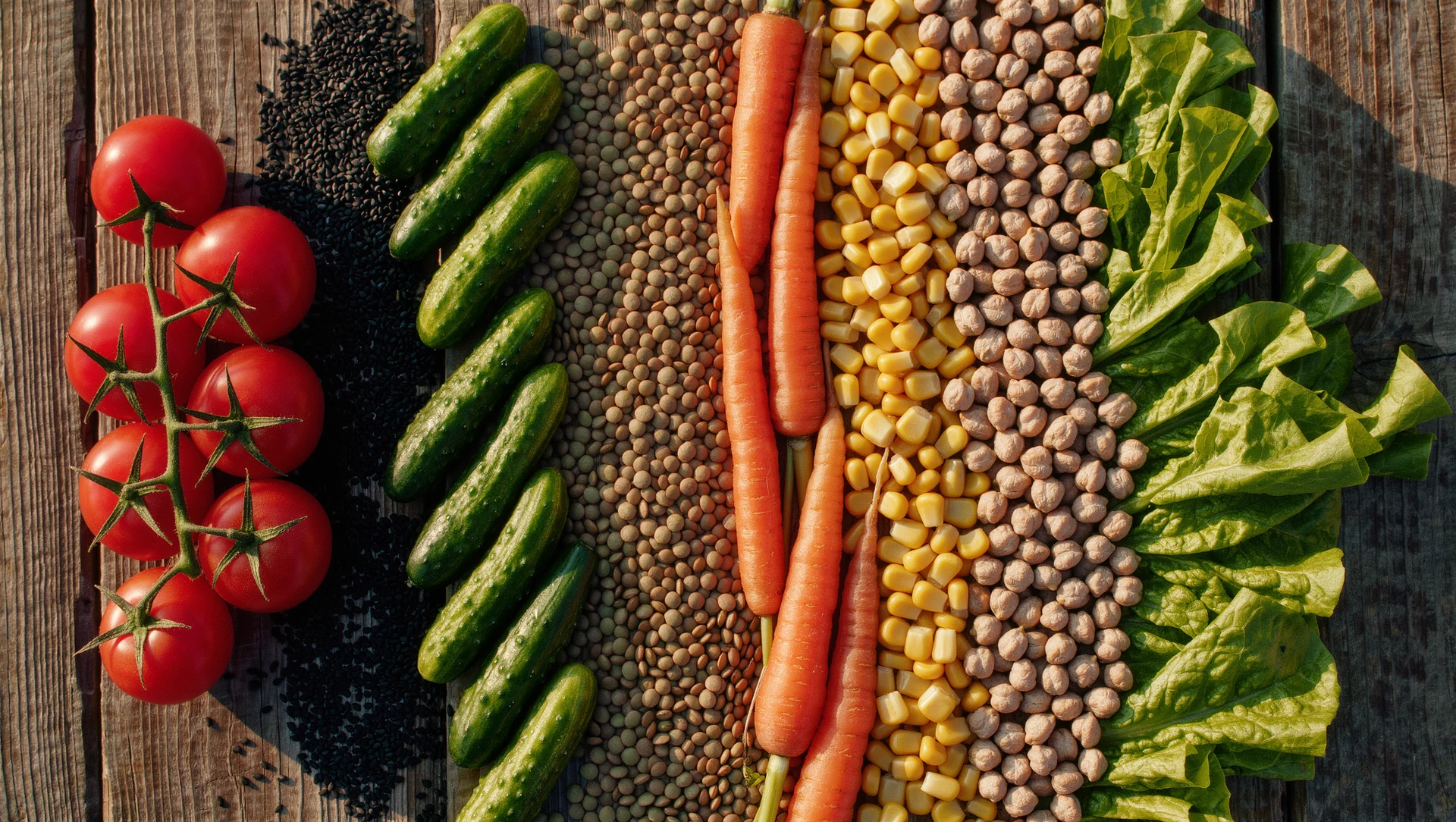

A plant-based diet emphasizes the consumption of whole, minimally processed foods derived primarily from plants. This includes fruits, vegetables, whole grains, legumes, nuts, and seeds. While it doesn’t necessarily mean that you must become a vegetarian or vegan, the focus is on increasing plant foods in your daily meals.
The growing popularity of this diet is attributed to its numerous health benefits, environmental advantages, and ethical considerations surrounding animal welfare. As more people become aware of these factors, the plant-based lifestyle is gaining traction as a sustainable and health-conscious choice. Transitioning to a plant-based diet can be a transformative experience.
It encourages individuals to explore a variety of flavors and textures while promoting overall well-being. With an abundance of delicious recipes and resources available, adopting this lifestyle can be both enjoyable and rewarding. Whether you’re looking to improve your health, reduce your carbon footprint, or simply try something new, a plant-based diet offers a wealth of opportunities for personal growth and culinary exploration.
Key takeaways
- Plant-based diet focuses on consuming foods derived from plants, such as fruits, vegetables, whole grains, nuts, and seeds, while minimizing or eliminating animal products.
- Health benefits of a plant-based diet include lower risk of heart disease, high blood pressure, type 2 diabetes, and certain types of cancer.
- Plant-based diet can aid in weight management due to its high fiber content and lower calorie density, leading to feeling full and satisfied with fewer calories.
- Choosing a plant-based diet can have a positive environmental impact by reducing greenhouse gas emissions, water usage, and land usage compared to animal agriculture.
- Plant-based foods are rich in essential nutrients such as vitamins, minerals, antioxidants, and fiber, which are beneficial for overall health and well-being.
Health Benefits of a Plant-Based Diet
One of the most compelling reasons to adopt a plant-based diet is the myriad health benefits it offers. Research consistently shows that individuals who consume more plant-based foods tend to have lower rates of chronic diseases, including heart disease, diabetes, and certain cancers. This is largely due to the high levels of antioxidants, vitamins, and minerals found in fruits and vegetables, which help combat inflammation and oxidative stress in the body.
Moreover, a plant-based diet is typically lower in saturated fats and cholesterol compared to diets rich in animal products. This can lead to improved heart health and better cholesterol levels. By prioritizing whole foods over processed options, individuals can also enhance their overall nutrient intake, leading to better energy levels and improved immune function.
The combination of these factors makes a plant-based diet an excellent choice for those seeking to enhance their health and longevity.
Weight Management with a Plant-Based Diet
Weight management is another significant benefit associated with a plant-based diet. Many people struggle with weight loss due to the high caloric density of processed foods and animal products.
In contrast, plant-based foods are generally lower in calories but high in fiber, which promotes satiety and helps control hunger.
This means that individuals can enjoy larger portions of food without consuming excessive calories. Additionally, the fiber found in fruits, vegetables, and whole grains aids digestion and supports healthy gut bacteria. This can lead to improved metabolism and weight regulation over time.
By incorporating more plant-based meals into your diet, you can create a sustainable approach to weight management that doesn’t involve restrictive dieting or calorie counting.
Environmental Impact of a Plant-Based Diet
The environmental impact of our food choices cannot be overstated. A plant-based diet significantly reduces one’s carbon footprint compared to diets high in animal products. Livestock farming is responsible for a substantial portion of greenhouse gas emissions, deforestation, and water usage.
By choosing plant-based foods, individuals can contribute to a more sustainable food system that conserves natural resources and protects biodiversity.
Moreover, adopting a plant-based diet can help combat climate change by reducing the demand for resource-intensive animal agriculture.As more people make the switch to plant-based eating, the collective impact can lead to significant environmental benefits.
This shift not only supports personal health but also promotes a healthier planet for future generations.
Nutritional Value of Plant-Based Foods
Plant-based foods are packed with essential nutrients that support overall health. Fruits and vegetables are rich in vitamins A, C, and K, as well as important minerals like potassium and magnesium. Whole grains provide complex carbohydrates and fiber that fuel the body while promoting digestive health.
Legumes are an excellent source of protein and iron, making them a valuable addition to any diet. Incorporating a variety of plant-based foods ensures that you receive a well-rounded array of nutrients. This diversity not only enhances flavor but also maximizes health benefits.
By focusing on whole foods rather than processed options, individuals can nourish their bodies with the vitamins and minerals they need to thrive.
Lowering the Risk of Chronic Diseases with a Plant-Based Diet
A growing body of research indicates that a plant-based diet can lower the risk of chronic diseases significantly. Studies have shown that individuals who consume more fruits, vegetables, whole grains, and legumes have lower rates of heart disease, hypertension, type 2 diabetes, and certain cancers. The protective effects of these foods are attributed to their high antioxidant content and anti-inflammatory properties.
Furthermore, adopting a plant-based diet can lead to improved blood sugar control and better cholesterol levels. This is particularly beneficial for those at risk for diabetes or heart disease. By making conscious choices about food sources, individuals can take proactive steps toward reducing their risk of developing these serious health conditions.
Plant-Based Diet and Digestive Health
Digestive health is another area where a plant-based diet shines. The high fiber content found in fruits, vegetables, legumes, and whole grains promotes regular bowel movements and supports gut health. Fiber acts as a prebiotic, feeding beneficial gut bacteria that play a crucial role in digestion and overall health.
Additionally, many plant-based foods are naturally low in fat and free from common allergens found in animal products. This can help alleviate digestive issues such as bloating or discomfort for some individuals. By prioritizing plant-based options, you can foster a healthier digestive system while enjoying a diverse range of flavors.
Plant-Based Diet and Improved Energy Levels
Many people report increased energy levels after transitioning to a plant-based diet. This boost in energy can be attributed to several factors, including improved nutrient intake and better digestion. Plant-based foods are often rich in complex carbohydrates that provide sustained energy throughout the day.
Moreover, the absence of heavy animal fats can lead to less sluggishness after meals. Instead of feeling weighed down by heavy foods, individuals may experience increased vitality and alertness when consuming lighter plant-based options. This newfound energy can enhance productivity and overall quality of life.
Plant-Based Diet and Ethical Considerations
Ethical considerations play a significant role in the decision to adopt a plant-based diet for many individuals. Concerns about animal welfare and the treatment of livestock in industrial farming practices have led many people to seek alternatives that align with their values. By choosing plant-based foods, individuals can reduce their reliance on animal products and support more humane food systems.
Additionally, many plant-based diets promote sustainable agricultural practices that prioritize environmental stewardship. This alignment with ethical values not only benefits animals but also contributes to healthier ecosystems and communities.
Incorporating Plant-Based Foods into Your Diet
Incorporating plant-based foods into your diet doesn’t have to be overwhelming. Start by gradually adding more fruits and vegetables to your meals while exploring new recipes that highlight these ingredients. Experimenting with different grains like quinoa or brown rice can also introduce variety into your meals.
Consider meal prepping to make it easier to stick with your new eating habits. Preparing large batches of soups or stews filled with legumes and vegetables can provide quick meal options throughout the week. Additionally, exploring local farmers’ markets can help you discover fresh produce while supporting local agriculture.
Tips for Transitioning to a Plant-Based Diet
Transitioning to a plant-based diet can be an exciting journey filled with new flavors and experiences. Start by setting realistic goals for yourself; you don’t have to go fully plant-based overnight. Consider starting with “Meatless Mondays” or gradually replacing one meal per day with a plant-based option.
Educate yourself about nutrition to ensure you’re meeting your dietary needs during this transition. Focus on incorporating a variety of foods to ensure you’re getting all essential nutrients. Joining online communities or local groups focused on plant-based eating can provide support and inspiration as you navigate this lifestyle change.
Adopting a plant-based diet offers numerous benefits for health, weight management, environmental sustainability, and ethical considerations. By making conscious choices about food sources and incorporating more plant-based options into your meals, you can enhance your well-being while contributing positively to the planet. Embrace this journey with an open mind and enjoy the delicious possibilities that await you!
FAQs
What is a plant-based diet?
A plant-based diet is a diet that focuses on foods primarily derived from plants, including fruits, vegetables, whole grains, legumes, nuts, and seeds. It can also include small amounts of animal products, but the majority of the diet is made up of plant-based foods.What are the health benefits of a plant-based diet?
Research has shown that a plant-based diet can have numerous health benefits, including lower risk of heart disease, high blood pressure, type 2 diabetes, and certain types of cancer. It can also help with weight management and improve overall well-being.Is a plant-based diet suitable for everyone?
A plant-based diet can be suitable for people of all ages, including children, pregnant or breastfeeding women, and athletes. However, it is important to ensure that the diet is well-balanced and provides all the necessary nutrients, such as protein, iron, calcium, and vitamin B12.What are some common foods in a plant-based diet?
Common foods in a plant-based diet include fruits, vegetables, whole grains (such as brown rice, quinoa, and oats), legumes (such as beans, lentils, and chickpeas), nuts, seeds, and plant-based milk and dairy alternatives.Can a plant-based diet provide enough protein?
Yes, a plant-based diet can provide enough protein as long as it includes a variety of plant-based protein sources such as beans, lentils, tofu, tempeh, quinoa, and nuts. It is important to consume a variety of protein sources to ensure adequate intake of essential amino acids.Are there any potential drawbacks to a plant-based diet?
Some potential drawbacks of a plant-based diet include the need for careful planning to ensure adequate intake of certain nutrients, such as vitamin B12, iron, and omega-3 fatty acids. It may also require more time for meal preparation and planning.More in
More from Nutrition

Nutrition · 9 min
The Health Benefits of the Mediterranean Diet
The Mediterranean Diet is more than just a way of eating; it’s a lifestyle that emphasizes fresh, wholesome foods and a balanced approach to

Nutrition · 8 min
The Longevity Diet: Key to a Longer Life
The Longevity Diet is a nutritional approach designed to promote a longer, healthier life. It emphasizes whole, nutrient-dense foods that

Nutrition · 8 min
Maintaining Microbiome Balance for Optimal Health
The microbiome refers to the vast community of microorganisms, including bacteria, viruses, fungi, and other microbes, that inhabit various