Nutrition · Health information
Top High Protein Meals for a Stronger Body
High protein meals are essential for anyone looking to build muscle effectively. Protein plays a crucial role in muscle repair and growth…
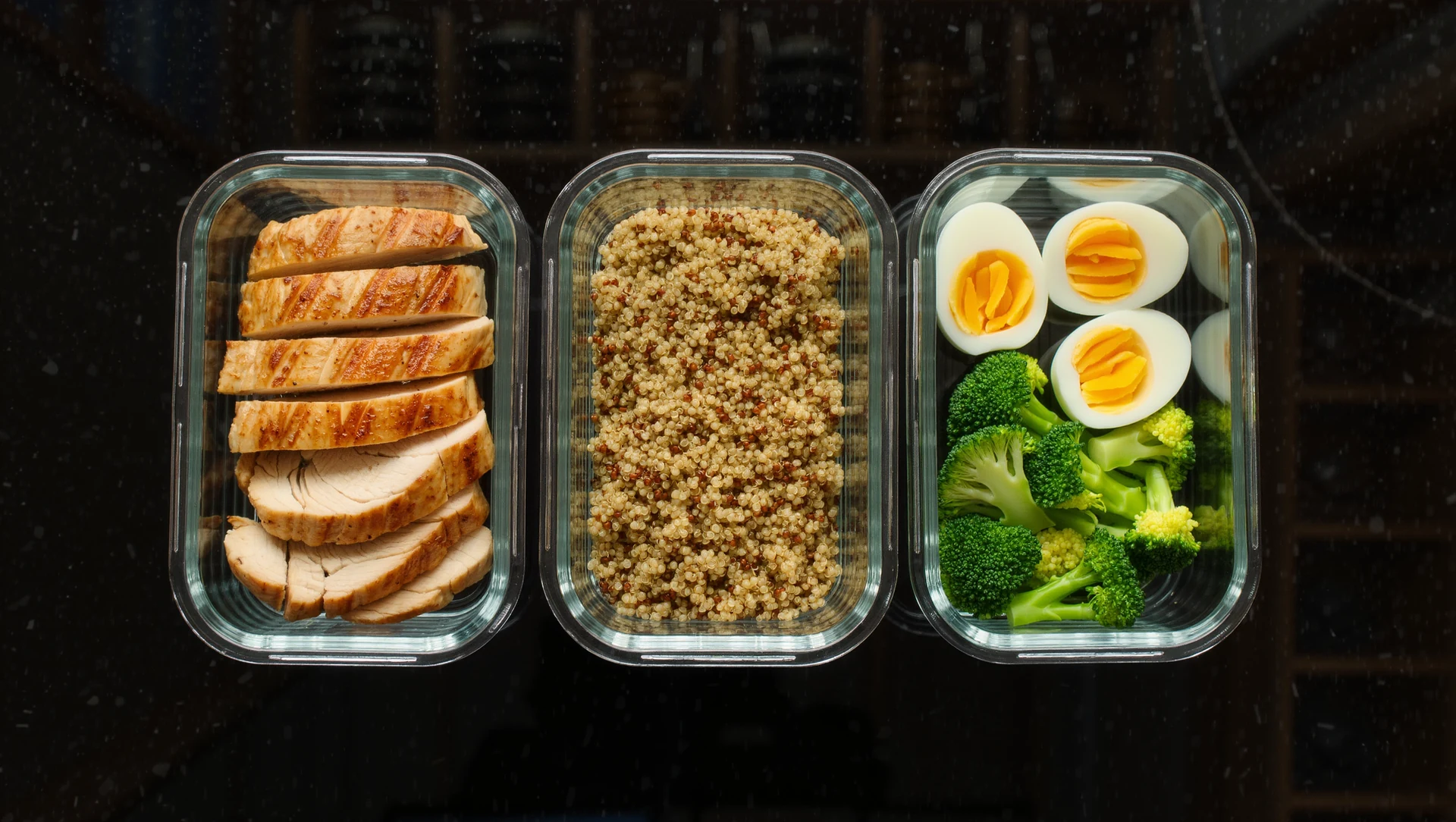

High protein meals are essential for anyone looking to build muscle effectively. Protein plays a crucial role in muscle repair and growth, making it a vital nutrient for athletes and fitness enthusiasts alike. When you engage in strength training or intense workouts, your muscles undergo stress and tiny tears.
Consuming adequate protein helps to repair these tears, leading to muscle growth and increased strength over time.Additionally, protein-rich meals can help you feel fuller for longer, which is beneficial for those looking to manage their weight while building muscle. Incorporating high protein meals into your diet not only supports muscle growth but also enhances recovery after workouts.
This is particularly important for individuals who train frequently or at high intensities. A diet rich in protein can also help maintain lean muscle mass during weight loss, ensuring that the body burns fat rather than muscle. By prioritizing protein in your meals, you set the foundation for a stronger, healthier body.
Key takeaways
- High protein meals are essential for building muscle and promoting overall health and wellness.
- Eggs are a versatile and protein-packed option that can be incorporated into various meals throughout the day.
- Lean meats are a source of high-quality protein and can be included in a balanced diet to support muscle growth and repair.
- Plant-based protein options provide vegetarians and vegans with essential nutrients and can be just as effective for muscle building as animal-based proteins.
- Greek yogurt is a creamy and protein-rich breakfast option that can help fuel the body and support muscle recovery.
Eggs: A Versatile and Protein-Packed Option
Eggs are one of the most versatile and protein-packed foods available. Each large egg contains about 6 grams of high-quality protein, making them an excellent choice for breakfast, lunch, or dinner. They are also rich in essential amino acids, which are the building blocks of protein that your body cannot produce on its own.
This makes eggs a complete protein source, ideal for muscle building and recovery. Beyond their protein content, eggs are incredibly versatile. You can prepare them in numerous ways, boiled, scrambled, poached, or fried, allowing you to incorporate them into various dishes.
They can be added to salads, sandwiches, or even smoothies for an extra protein boost. Additionally, eggs are relatively inexpensive and easy to find, making them a staple in many households.
Lean Meats: A Source of High-Quality Protein
Lean meats are another excellent source of high-quality protein that can significantly contribute to muscle building. Options such as turkey, chicken breast, and lean cuts of beef provide substantial amounts of protein while being lower in fat compared to their fattier counterparts. For instance, a 3-ounce serving of skinless chicken breast contains about 26 grams of protein, making it a favorite among fitness enthusiasts.
Incorporating lean meats into your diet not only supports muscle growth but also provides essential nutrients like iron and zinc. These nutrients play a vital role in energy production and immune function, further enhancing your overall health. Whether grilled, baked, or stir-fried, lean meats can be easily integrated into various meals, making them a convenient option for those looking to increase their protein intake.
Plant-Based Protein Options for Vegetarians and Vegans
For vegetarians and vegans, finding adequate sources of protein can be a challenge, but there are plenty of plant-based options available. Foods such as lentils, chickpeas, black beans, and edamame are rich in protein and can easily be incorporated into meals. For example, one cup of cooked lentils contains about 18 grams of protein, making them an excellent choice for a hearty meal.
In addition to legumes, nuts and seeds are also great sources of plant-based protein. Almonds, chia seeds, and hemp seeds not only provide protein but also healthy fats that support overall health. Tofu and tempeh are other fantastic options that can be used in various dishes as meat substitutes.
By diversifying your plant-based protein sources, you can ensure that you meet your nutritional needs while enjoying delicious meals.
Greek Yogurt: A Creamy and Protein-Rich Breakfast Option
Greek yogurt is a creamy and delicious option that packs a significant protein punch. A typical serving of Greek yogurt contains around 15-20 grams of protein, making it an ideal choice for breakfast or a snack. Its thick texture makes it perfect for smoothies or as a base for parfaits topped with fruits and nuts.
In addition to its high protein content, Greek yogurt is also rich in probiotics, which promote gut health. This makes it not only a nutritious option but also beneficial for digestion. You can enjoy Greek yogurt on its own or mix it with honey and berries for added flavor.
Its versatility allows it to be used in both sweet and savory dishes, making it a staple in many diets.
Quinoa: A Complete Protein for a Balanced Diet
Quinoa is often hailed as a superfood due to its impressive nutritional profile. Unlike many plant-based foods, quinoa is a complete protein source, meaning it contains all nine essential amino acids that the body needs. One cup of cooked quinoa provides about 8 grams of protein along with fiber and various vitamins and minerals.
Incorporating quinoa into your diet is easy; it can be used as a base for salads, added to soups, or served as a side dish. Its nutty flavor pairs well with various ingredients, making it a versatile option for any meal. Additionally, quinoa is gluten-free, making it suitable for those with gluten sensitivities or celiac disease.
By adding quinoa to your meals, you can enjoy a balanced diet while boosting your protein intake.
Salmon: A Heart-Healthy and Protein-Packed Fish Option
Salmon is not only delicious but also one of the best sources of high-quality protein available. A 3-ounce serving of salmon contains approximately 22 grams of protein along with omega-3 fatty acids that are beneficial for heart health. These healthy fats help reduce inflammation and support brain function, making salmon an excellent choice for overall wellness.
Cooking salmon is simple; it can be grilled, baked, or pan-seared to perfection.
Its rich flavor pairs well with various herbs and spices, allowing you to create diverse dishes that cater to your taste preferences.Regularly including salmon in your diet can help you meet your protein needs while providing essential nutrients that support long-term health.
Protein Shakes: Convenient and Effective Post-Workout Fuel
Protein shakes have become increasingly popular among fitness enthusiasts due to their convenience and effectiveness as post-workout fuel. These shakes typically contain whey or plant-based protein powder mixed with water or milk, providing a quick source of protein that aids in muscle recovery after exercise. A standard serving can deliver anywhere from 20 to 30 grams of protein in just minutes.
The beauty of protein shakes lies in their versatility; you can customize them with fruits, vegetables, nut butter, or even oats to enhance their nutritional value. This makes them an excellent option for busy individuals who need a quick meal on the go. By incorporating protein shakes into your routine, you can ensure that your body receives the necessary nutrients to recover effectively after workouts.
Chicken Breast: A Lean and Versatile Protein Source
Chicken breast is often regarded as the gold standard for lean protein sources. With approximately 26 grams of protein per 3-ounce serving and minimal fat content, it’s no wonder that chicken breast is a favorite among those looking to build muscle while maintaining a healthy diet. Its mild flavor allows it to be used in countless recipes ranging from salads to stir-fries.
One of the key benefits of chicken breast is its versatility; it can be grilled, baked, sautéed, or even shredded for use in various dishes. This adaptability makes it easy to incorporate into your weekly meal prep without getting bored with your food choices. Additionally, chicken breast is relatively affordable compared to other protein sources, making it accessible for many people.
Tofu: A Plant-Based Protein Alternative for Meatless Meals
Tofu is an excellent plant-based protein alternative that has gained popularity among vegetarians and vegans alike. Made from soybeans, tofu contains about 10 grams of protein per half-cup serving while being low in calories and fat. Its ability to absorb flavors makes it incredibly versatile; it can be marinated and cooked in various ways to suit different cuisines.
Tofu is not only rich in protein but also provides essential nutrients like calcium and iron. It can be used in stir-fries, salads, soups, or even blended into smoothies for added creaminess without the dairy. By incorporating tofu into your meals, you can enjoy delicious dishes while meeting your protein needs on a plant-based diet.
Cottage Cheese: A Low-Fat, High-Protein Snack Option
Cottage cheese is often overlooked but is an excellent low-fat snack option packed with protein. A one-cup serving contains around 28 grams of protein while being low in calories and fat content. This makes it an ideal choice for those looking to increase their protein intake without consuming excess calories.
Cottage cheese can be enjoyed on its own or mixed with fruits like berries or pineapple for added flavor. It can also be used as a topping for whole-grain toast or incorporated into smoothies for a creamy texture. With its high protein content and versatility, cottage cheese is a fantastic addition to any diet focused on muscle building and overall health.
Incorporating high-protein meals into your diet is essential for building muscle effectively and supporting overall health. From versatile options like eggs and lean meats to plant-based alternatives such as tofu and quinoa, there are plenty of delicious ways to meet your protein needs. By prioritizing these foods in your meals and snacks, you can enhance your fitness journey while enjoying a variety of flavors and textures.
FAQs
What are high protein meals?
High protein meals are meals that contain a significant amount of protein, which is essential for building and repairing tissues in the body. These meals typically include sources of protein such as lean meats, poultry, fish, eggs, dairy products, legumes, and plant-based proteins.Why are high protein meals important?
High protein meals are important for overall health and well-being as protein is a macronutrient that plays a crucial role in various bodily functions. Protein is essential for muscle growth and repair, immune function, hormone production, and maintaining healthy skin, hair, and nails.What are some examples of high protein meals?
Examples of high protein meals include grilled chicken breast with quinoa and steamed vegetables, salmon with a side of roasted sweet potatoes and asparagus, Greek yogurt with mixed berries and nuts, tofu stir-fry with brown rice, and lentil soup with a side of whole grain bread.How can high protein meals benefit my health?
Consuming high protein meals can benefit your health in several ways, including promoting muscle growth and repair, aiding in weight management by increasing feelings of fullness, supporting a healthy metabolism, and helping to maintain stable blood sugar levels.Can high protein meals help with weight loss?
Yes, high protein meals can be beneficial for weight loss as protein has a higher thermic effect compared to carbohydrates and fats, meaning that the body burns more calories during the digestion and absorption of protein. Additionally, protein helps to increase feelings of fullness, which can lead to reduced calorie intake.More in
More from Nutrition
Nutrition · 8 min
Discover the Benefits of a Plant-Based Diet
A plant-based diet emphasizes the consumption of whole, minimally processed foods derived primarily from plants. This includes fruits

Nutrition · 9 min
The Health Benefits of the Mediterranean Diet
The Mediterranean Diet is more than just a way of eating; it’s a lifestyle that emphasizes fresh, wholesome foods and a balanced approach to
Nutrition · 8 min
The Longevity Diet: Key to a Longer Life
The Longevity Diet is a nutritional approach designed to promote a longer, healthier life. It emphasizes whole, nutrient-dense foods that