Nutrition · Health information
The Longevity Diet: Key to a Longer Life
The Longevity Diet is a nutritional approach designed to promote a longer, healthier life. It emphasizes whole, nutrient-dense foods that…
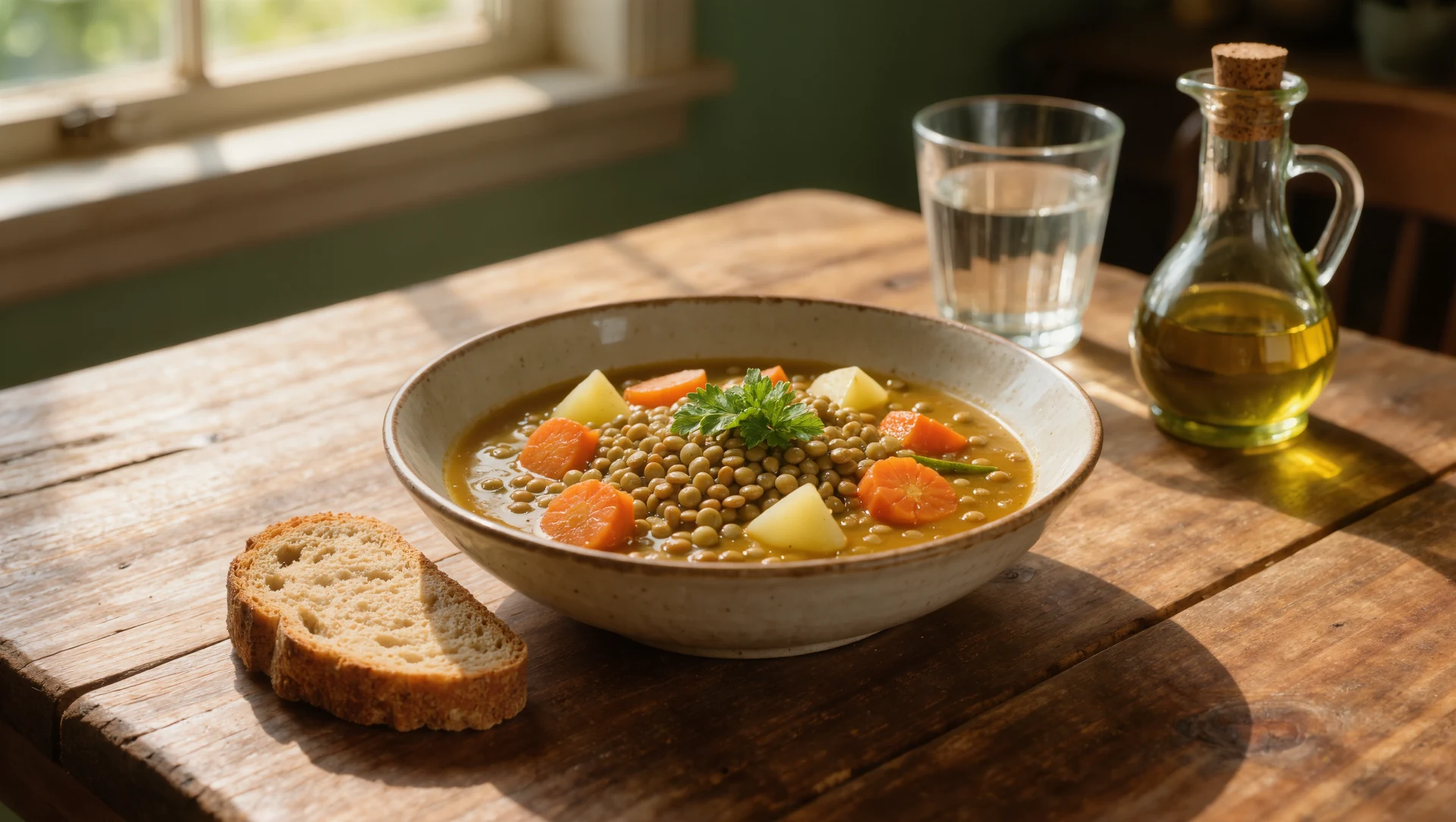

The Longevity Diet is a nutritional approach designed to promote a longer, healthier life. It emphasizes whole, nutrient-dense foods that support cellular health and reduce the risk of chronic diseases. This diet is not just about extending lifespan; it focuses on enhancing the quality of life as well.
By adopting the principles of the Longevity Diet, individuals can experience improved energy levels, better mental clarity, and a reduced risk of age-related ailments. At its core, the Longevity Diet encourages mindful eating habits and a balanced lifestyle.
It draws inspiration from various cultures known for their long-lived populations, such as those in the Mediterranean and Blue Zones.
By understanding the principles behind this diet, individuals can make informed choices that align with their health goals and foster a sense of well-being.
Key takeaways
- The Longevity Diet focuses on promoting a longer, healthier life through specific dietary choices and meal planning.
- Scientific research supports the connection between nutrition and longevity, emphasizing the importance of nutrient-dense foods and calorie restriction.
- Key components of the Longevity Diet include plant-based foods, healthy fats, lean proteins, and limited sugar and processed foods.
- Benefits of the Longevity Diet may include improved heart health, weight management, reduced inflammation, and lower risk of chronic diseases.
- Foods to include in the Longevity Diet are fruits, vegetables, whole grains, nuts, seeds, legumes, fish, and olive oil, while foods to avoid are red meat, processed foods, and excessive sugar.
The Science Behind Longevity and Nutrition
Research has shown that nutrition plays a crucial role in longevity.
Studies indicate that certain dietary patterns can influence genetic expression, inflammation levels, and metabolic health.For instance, diets rich in antioxidants and anti-inflammatory compounds can help combat oxidative stress, a significant factor in aging.
The Longevity Diet is grounded in scientific evidence that supports the idea that what we eat directly impacts our health and lifespan. Moreover, the relationship between nutrition and longevity is further highlighted by studies on centenarians. These individuals often share common dietary habits, such as consuming plant-based foods and healthy fats while minimizing processed foods and sugars.
By understanding these scientific principles, individuals can adopt dietary practices that not only promote longevity but also enhance overall health.
Key Components of the Longevity Diet
The Longevity Diet is characterized by several key components that work synergistically to promote health and longevity. First and foremost, it emphasizes whole foods, including fruits, vegetables, whole grains, nuts, and seeds. These foods are rich in essential nutrients, vitamins, and minerals that support bodily functions and reduce disease risk.
Another critical component is healthy fats, particularly those found in olive oil, avocados, and fatty fish. These fats are known to support heart health and cognitive function. Additionally, the Longevity Diet encourages moderate protein intake from plant sources like legumes and beans rather than relying heavily on animal proteins.
This balanced approach helps maintain muscle mass while reducing the risk of chronic diseases associated with high meat consumption.
Benefits of the Longevity Diet
Adopting the Longevity Diet offers numerous benefits beyond just extending lifespan. One of the most significant advantages is improved overall health. By focusing on nutrient-dense foods, individuals can experience enhanced energy levels, better digestion, and improved mental clarity.
This diet also supports weight management by promoting satiety through fiber-rich foods. Furthermore, the Longevity Diet has been linked to a reduced risk of chronic diseases such as heart disease, diabetes, and certain cancers. The anti-inflammatory properties of many foods included in this diet help combat inflammation in the body, which is a common underlying factor in many age-related conditions.
Overall, the Longevity Diet fosters a holistic approach to health that prioritizes well-being at every stage of life.
Foods to Include in the Longevity Diet
Incorporating specific foods into your diet is essential for reaping the benefits of the Longevity Diet. Start with a variety of colorful fruits and vegetables, which provide essential vitamins and antioxidants. Leafy greens like spinach and kale are particularly beneficial due to their high nutrient density.
Whole grains such as quinoa, brown rice, and oats should also be staples in your meals. These grains are rich in fiber and help maintain stable blood sugar levels. Additionally, include healthy fats from sources like nuts, seeds, avocados, and olive oil to support heart health.
Legumes such as lentils and chickpeas are excellent protein sources that also provide fiber. Finally, consider incorporating fatty fish like salmon or sardines into your diet for their omega-3 fatty acids, which are known for their anti-inflammatory properties.
Foods to Avoid in the Longevity Diet
While there are many foods to embrace on the Longevity Diet, there are also several items to avoid for optimal health. Processed foods high in added sugars and unhealthy fats should be minimized or eliminated entirely. These foods can contribute to inflammation and increase the risk of chronic diseases.
Additionally, refined grains found in white bread and pastries lack essential nutrients and fiber. Instead of these options, opt for whole grains that provide more health benefits. It’s also wise to limit red meat consumption and avoid processed meats altogether due to their association with various health risks.
Lastly, be cautious with sugary beverages like sodas and energy drinks. These drinks offer little nutritional value and can lead to weight gain and other health issues over time.
Meal Planning for Longevity
Effective meal planning is crucial for successfully following the Longevity Diet. Start by creating a weekly menu that incorporates a variety of whole foods from each food group. Aim for colorful plates filled with fruits and vegetables to ensure you’re getting a wide range of nutrients.
Batch cooking can be an excellent strategy for busy individuals. Prepare large portions of grains or legumes at once to use throughout the week in different meals. This not only saves time but also makes it easier to stick to your dietary goals.
Don’t forget to include snacks in your meal plan! Healthy options like nuts, yogurt with fruit, or vegetable sticks with hummus can keep you satisfied between meals while providing essential nutrients.
Longevity Diet and Weight Management
The Longevity Diet can be an effective tool for weight management due to its emphasis on whole foods that promote satiety. Foods high in fiber, such as fruits, vegetables, and whole grains, help you feel full longer while providing fewer calories than processed options. Additionally, this diet encourages mindful eating practices that foster a healthier relationship with food.
By focusing on nutrient-dense meals rather than calorie counting or restrictive diets, individuals can achieve sustainable weight loss or maintenance without feeling deprived. Moreover, the balanced macronutrient profile of the Longevity Diet supports stable energy levels throughout the day. This stability can help prevent cravings for unhealthy snacks and promote better food choices overall.
Longevity Diet and Disease Prevention
One of the most compelling reasons to adopt the Longevity Diet is its potential for disease prevention. Research indicates that diets rich in fruits, vegetables, whole grains, and healthy fats can significantly lower the risk of chronic diseases such as heart disease, diabetes, and certain cancers. The anti-inflammatory properties of many foods included in this diet help combat inflammation, a key factor in many age-related diseases.
By reducing inflammation through dietary choices, individuals can protect their bodies from damage over time. Additionally, the Longevity Diet supports healthy blood pressure and cholesterol levels through its emphasis on whole foods and healthy fats. This proactive approach to nutrition can lead to a longer life free from chronic illness.
Incorporating the Longevity Diet into Your Lifestyle
Transitioning to the Longevity Diet doesn’t have to be overwhelming; small changes can lead to significant results over time. Start by gradually incorporating more whole foods into your meals while reducing processed options. Focus on adding one new fruit or vegetable each week to diversify your diet.
Engaging with community resources such as cooking classes or local farmers’ markets can also enhance your experience with this diet. Surrounding yourself with like-minded individuals can provide motivation and support as you make these lifestyle changes. Lastly, remember that consistency is key.
Aim for progress rather than perfection; even small adjustments can lead to lasting improvements in your health and well-being.
Tips for Success on the Longevity Diet
To succeed on the Longevity Diet, consider these practical tips: 1. **Stay Hydrated**: Drink plenty of water throughout the day to support overall health.
2. **Practice Mindful Eating**: Pay attention to hunger cues and savor each bite.
3.
**Experiment with Recipes**: Try new recipes that incorporate longevity-friendly ingredients.
4. **Plan Ahead**: Prepare meals in advance to avoid last-minute unhealthy choices.
5. **Seek Support**: Join groups or forums focused on healthy eating for encouragement.
By following these tips and embracing the principles of the Longevity Diet, you can enhance your health while enjoying delicious meals that nourish your body and mind.
FAQs
What is a longevity diet?
A longevity diet is a way of eating that focuses on promoting a longer and healthier life. It typically includes a variety of nutrient-dense foods such as fruits, vegetables, whole grains, lean proteins, and healthy fats.What are the key components of a longevity diet?
The key components of a longevity diet include consuming a variety of plant-based foods, limiting processed and sugary foods, incorporating healthy fats such as those found in nuts and olive oil, and practicing portion control.What are the potential health benefits of a longevity diet?
A longevity diet has been associated with a reduced risk of chronic diseases such as heart disease, diabetes, and certain types of cancer. It may also help with weight management, improve cognitive function, and support overall well-being.Are there any specific foods that are recommended in a longevity diet?
Foods that are often recommended in a longevity diet include leafy greens, berries, nuts, seeds, whole grains, fatty fish, olive oil, and legumes. These foods are rich in nutrients and antioxidants that support health and longevity.Is there scientific evidence supporting the benefits of a longevity diet?
Yes, there is a growing body of scientific research that supports the benefits of a longevity diet. Studies have shown that certain dietary patterns, such as the Mediterranean diet and the Okinawan diet, are associated with longevity and a lower risk of age-related diseases.Can a longevity diet help with aging-related issues?
While a longevity diet cannot stop the aging process, it can help support healthy aging by providing essential nutrients, reducing inflammation, and supporting overall health. It may also help with maintaining muscle mass and cognitive function as we age.More in
More from Nutrition

Nutrition · 8 min
Maintaining Microbiome Balance for Optimal Health
The microbiome refers to the vast community of microorganisms, including bacteria, viruses, fungi, and other microbes, that inhabit various

Nutrition · 8 min
Discover the Health Benefits of Chlorella
Chlorella is a single-celled green algae that thrives in freshwater environments. Known for its vibrant green color, this microalga has gained

Nutrition · 9 min
Shed Pounds with These Proven Weight Loss Strategies
Weight loss is a multifaceted process that involves reducing body weight through a combination of dietary changes, physical activity, and