Nutrition · Health information
Maintaining Microbiome Balance for Optimal Health
The microbiome refers to the vast community of microorganisms, including bacteria, viruses, fungi, and other microbes, that inhabit various…


The microbiome refers to the vast community of microorganisms, including bacteria, viruses, fungi, and other microbes, that inhabit various parts of the human body, particularly the gut. This complex ecosystem plays a crucial role in maintaining overall health. It aids in digestion, synthesizes essential vitamins, and protects against harmful pathogens.
The microbiome also influences metabolic processes and contributes to the immune system’s functionality. A balanced microbiome is essential for optimal health, as it helps regulate bodily functions and maintain homeostasis. Understanding the microbiome’s significance extends beyond mere digestion.
Research has shown that a healthy microbiome can impact mood, energy levels, and even chronic disease risk. Disruptions in this microbial community can lead to various health issues, including obesity, diabetes, and autoimmune disorders. Therefore, maintaining a healthy microbiome is vital for overall well-being and longevity.
Key takeaways
- The microbiome is a collection of trillions of microorganisms in the body that play a crucial role in overall health and well-being.
- Factors such as antibiotics, stress, and poor diet can disrupt the balance of the microbiome, leading to potential health issues.
- A diet rich in fiber, fruits, and vegetables can help maintain a healthy and diverse microbiome.
- Stress and lifestyle factors can negatively impact the microbiome, highlighting the importance of managing stress and adopting healthy habits.
- Probiotics and prebiotics can support a healthy microbiome by promoting the growth of beneficial bacteria and providing essential nutrients.
- Promoting a diverse and balanced microbiome can be achieved through a varied diet, regular exercise, and minimizing exposure to harmful substances.
- The microbiome plays a crucial role in immune function, emphasizing the importance of maintaining its balance for overall health.
- When using antibiotics, it’s important to protect the microbiome by taking probiotics and eating a nutrient-rich diet.
- Research suggests a link between the microbiome and mental health, underscoring the importance of gut health for overall well-being.
- Regular exercise can contribute to a healthy microbiome by promoting diversity and balance among gut microorganisms.
- Seeking professional guidance from a healthcare provider or nutritionist can help individuals make informed decisions about maintaining a healthy microbiome.
Understanding the factors that can disrupt the microbiome
Several factors can disrupt the delicate balance of the microbiome, leading to dysbiosis, a condition where harmful bacteria outnumber beneficial ones. One of the most significant disruptors is the overuse of antibiotics. While antibiotics are essential for treating bacterial infections, they can also wipe out beneficial bacteria in the gut, leading to an imbalance.
This disruption can result in gastrointestinal issues and increased susceptibility to infections. Other factors include a poor diet high in processed foods and sugars, which can promote the growth of harmful bacteria. Environmental factors such as pollution and exposure to chemicals can also negatively impact microbial diversity.
Additionally, lifestyle choices like smoking and excessive alcohol consumption can further exacerbate these imbalances. Understanding these disruptors is crucial for taking proactive steps toward maintaining a healthy microbiome.
The role of diet in maintaining a healthy microbiome
Diet plays a pivotal role in shaping the composition and diversity of the microbiome. A diet rich in fiber, fruits, vegetables, and whole grains provides essential nutrients that nourish beneficial bacteria. These foods promote the production of short-chain fatty acids (SCFAs), which are vital for gut health and have anti-inflammatory properties.
Incorporating a variety of plant-based foods can enhance microbial diversity, which is crucial for a resilient microbiome. Conversely, diets high in refined sugars and unhealthy fats can lead to an overgrowth of harmful bacteria. Processed foods often lack the nutrients necessary for supporting beneficial microbes, leading to dysbiosis.
To maintain a healthy microbiome, it is essential to focus on whole foods that provide prebiotics, substances that feed beneficial bacteria, and probiotics, live beneficial bacteria found in fermented foods.
The impact of stress and lifestyle on the microbiome
Stress is another significant factor that can adversely affect the microbiome. Chronic stress can lead to changes in gut motility and increased intestinal permeability, allowing harmful substances to enter the bloodstream. This disruption can result in inflammation and exacerbate existing health conditions.
Moreover, stress can alter eating habits, leading individuals to choose unhealthy comfort foods that further harm the microbiome. Lifestyle choices also play a critical role in maintaining a healthy microbiome. Lack of sleep, sedentary behavior, and insufficient hydration can all contribute to microbial imbalances.
Prioritizing self-care practices such as regular exercise, adequate sleep, and mindfulness techniques can help mitigate stress’s impact on gut health. By adopting a holistic approach to lifestyle management, individuals can support their microbiome’s health and overall well-being.
The importance of probiotics and prebiotics in supporting the microbiome
Probiotics and prebiotics are essential components for supporting a healthy microbiome. Probiotics are live microorganisms that confer health benefits when consumed in adequate amounts. They help restore balance to the gut by replenishing beneficial bacteria that may have been lost due to antibiotics or poor dietary choices.
Common sources of probiotics include yogurt, kefir, sauerkraut, and other fermented foods. Prebiotics, on the other hand, are non-digestible fibers that serve as food for beneficial bacteria. They promote the growth and activity of these microbes, enhancing overall gut health.
Foods rich in prebiotics include garlic, onions, bananas, asparagus, and whole grains. Incorporating both probiotics and prebiotics into your diet can create a synergistic effect that supports microbial diversity and improves gut function.
How to promote a diverse and balanced microbiome
Promoting a diverse and balanced microbiome requires intentional dietary choices and lifestyle practices. One effective strategy is to consume a wide variety of plant-based foods daily. This diversity provides different types of fibers and nutrients that nourish various beneficial bacteria.
Aim for at least 30 different plant foods each week to maximize microbial diversity. In addition to dietary changes, consider incorporating fermented foods into your routine. These foods are rich in probiotics and can help restore balance to your gut flora.
Regular physical activity also plays a role in promoting a healthy microbiome by enhancing gut motility and reducing stress levels. Lastly, staying hydrated supports digestion and helps maintain optimal gut function.
The connection between the microbiome and immune function
The microbiome has a profound impact on immune function. A healthy gut microbiome helps train the immune system to distinguish between harmful pathogens and harmless substances. Beneficial bacteria produce metabolites that modulate immune responses, reducing inflammation and enhancing overall immunity.
Conversely, dysbiosis can lead to an overactive immune response, contributing to autoimmune diseases and allergies. Research has shown that individuals with diverse microbiomes tend to have stronger immune systems. This connection underscores the importance of maintaining a balanced microbiome through diet, lifestyle choices, and stress management.
By prioritizing gut health, individuals can bolster their immune defenses and reduce their risk of infections and chronic diseases.
Tips for protecting the microbiome during antibiotic use
Antibiotics are sometimes necessary for treating infections; however, they can significantly disrupt the microbiome. To protect gut health during antibiotic use, consider taking probiotics alongside your medication. Probiotics can help replenish beneficial bacteria that antibiotics may eliminate.
It’s essential to choose high-quality probiotic supplements with diverse strains for maximum effectiveness. Additionally, focus on consuming prebiotic-rich foods during this time to support the growth of beneficial bacteria. Foods like bananas, garlic, onions, and asparagus can help mitigate some of the negative effects of antibiotics on gut health.
After completing your antibiotic course, continue taking probiotics for several weeks to help restore balance to your microbiome.
The link between the microbiome and mental health
Emerging research has revealed a fascinating connection between the microbiome and mental health. The gut-brain axis refers to the bidirectional communication between the gut and the brain, highlighting how gut health can influence mood and cognitive function. Beneficial bacteria produce neurotransmitters like serotonin, which play a crucial role in regulating mood.
Dysbiosis has been linked to various mental health conditions such as anxiety and depression. By promoting a healthy microbiome through diet, probiotics, and lifestyle changes, individuals may experience improvements in their mental well-being. This connection emphasizes the importance of holistic approaches to mental health that consider gut health as a vital component.
The role of exercise in supporting a healthy microbiome
Regular physical activity is another key factor in maintaining a healthy microbiome. Exercise has been shown to enhance microbial diversity by promoting the growth of beneficial bacteria while reducing harmful strains. Engaging in moderate-intensity exercise several times a week can positively impact gut health.
Moreover, exercise helps reduce stress levels and improve sleep quality, both of which are essential for maintaining a balanced microbiome. Whether it’s walking, cycling, or participating in group fitness classes, finding enjoyable ways to stay active can significantly benefit your gut health.
Seeking professional guidance for microbiome health
While many strategies exist for promoting a healthy microbiome, seeking professional guidance can provide personalized recommendations tailored to individual needs. Healthcare providers specializing in nutrition or functional medicine can offer insights into dietary changes that support gut health. Additionally, if you suspect significant imbalances or experience persistent digestive issues, consulting with a healthcare professional is crucial for proper assessment and treatment options.
They may recommend specific tests or interventions to restore balance to your microbiome effectively. Understanding the importance of the microbiome is essential for overall health and well-being. By recognizing factors that disrupt this delicate ecosystem and implementing strategies to support it, such as dietary changes, stress management, exercise, and professional guidance, you can promote a diverse and balanced microbiome that enhances your quality of life.
Prioritize your gut health today for a healthier tomorrow!
FAQs
What is the microbiome?
The microbiome refers to the community of microorganisms, including bacteria, viruses, fungi, and other microbes, that live in and on the human body.Why is microbiome balance important?
Microbiome balance is important for overall health and well-being as it plays a crucial role in digestion, immune function, and even mental health. An imbalance in the microbiome has been linked to various health issues such as obesity, inflammatory bowel disease, and even depression.How can microbiome balance be disrupted?
Microbiome balance can be disrupted by factors such as antibiotic use, poor diet, stress, and environmental toxins. These factors can lead to a decrease in beneficial bacteria and an overgrowth of harmful bacteria, resulting in an imbalance.What are some ways to promote microbiome balance?
Promoting microbiome balance can be achieved through a healthy diet rich in fiber and fermented foods, reducing stress, avoiding unnecessary antibiotic use, and incorporating probiotics and prebiotics into one’s daily routine.Can microbiome balance be restored?
Yes, microbiome balance can be restored through lifestyle and dietary changes, as well as the use of probiotics and prebiotics. However, it may take time and consistency to achieve a healthy balance.More in
More from Nutrition
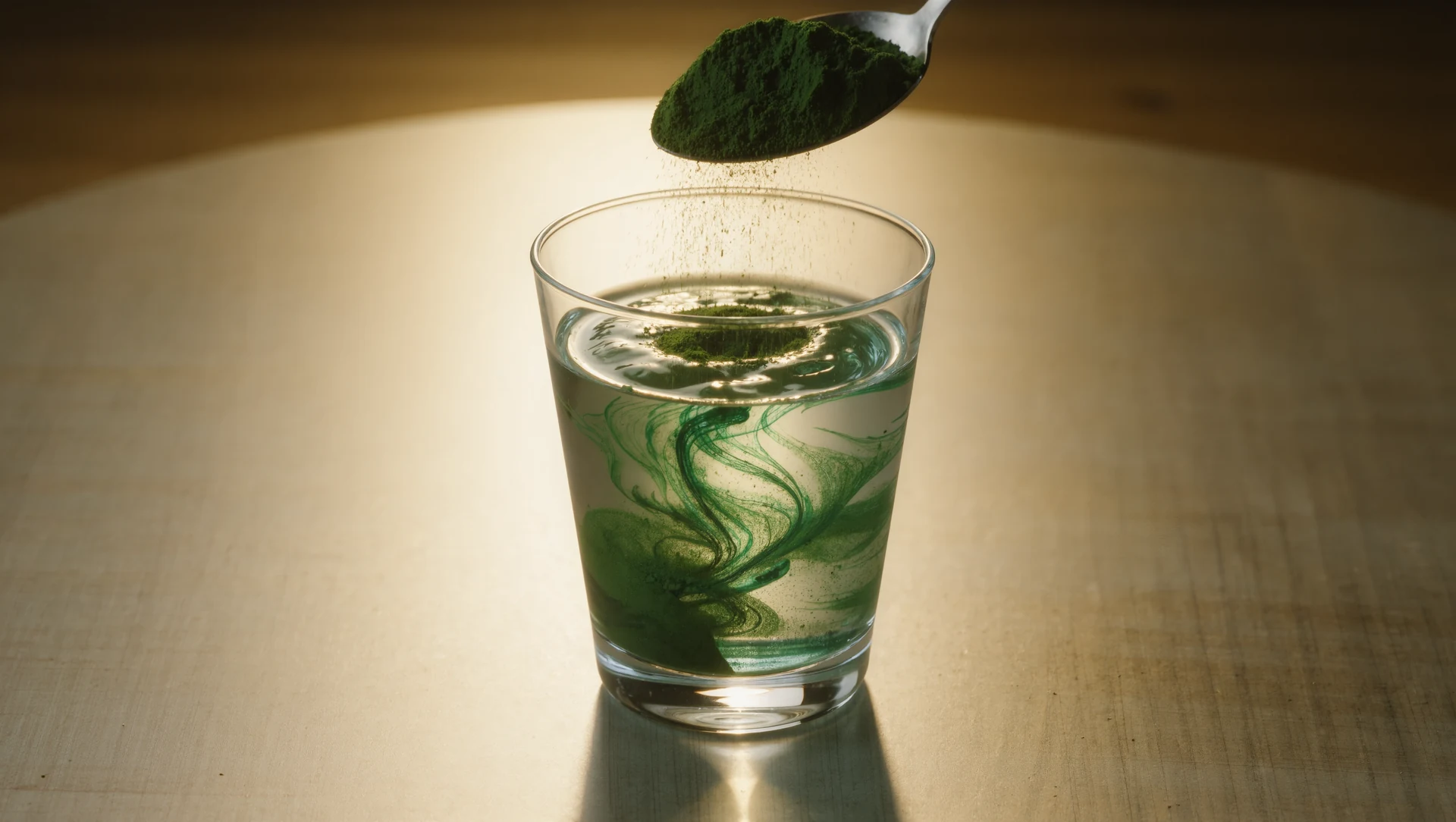
Nutrition · 8 min
Discover the Health Benefits of Chlorella
Chlorella is a single-celled green algae that thrives in freshwater environments. Known for its vibrant green color, this microalga has gained

Nutrition · 9 min
Shed Pounds with These Proven Weight Loss Strategies
Weight loss is a multifaceted process that involves reducing body weight through a combination of dietary changes, physical activity, and

Nutrition · 7 min
Unlock Your Brain’s Potential with Nootropics
Nootropics, often referred to as “smart drugs,” are substances that enhance cognitive functions such as memory, creativity, and motivation in