Fitness · Health information
Unlock Your Core Strength with Pilates
The core is often referred to as the powerhouse of the body. It comprises a complex group of muscles, including the abdominal muscles, back…

The core is often referred to as the powerhouse of the body. It comprises a complex group of muscles, including the abdominal muscles, back muscles, and pelvic floor. These muscles work together to stabilize the spine and pelvis, providing a solid foundation for all movements.
A strong core is essential not only for athletic performance but also for daily activities such as lifting, bending, and even sitting. Understanding the core’s anatomy and function is crucial for anyone looking to enhance their physical fitness. In Pilates, the focus on core strength is paramount.
The method emphasizes controlled movements that engage the core muscles effectively. By understanding how these muscles interact, practitioners can better appreciate the benefits of Pilates in developing a strong and stable core. This foundational knowledge sets the stage for exploring how Pilates can transform your fitness journey.
Key takeaways
- Understanding the Core: The core is more than just the abs; it includes the back, hips, and pelvic floor muscles.
- The Benefits of Pilates for Core Strength: Pilates can improve core strength, stability, flexibility, and posture.
- Key Pilates Exercises for Core Strength: Exercises like the Hundred, Plank, and Teaser are effective for strengthening the core.
- Breathing Techniques in Pilates: Proper breathing is essential in Pilates to engage the core and enhance the effectiveness of the exercises.
- How Pilates Improves Posture and Stability: Pilates helps to align the spine, improve posture, and enhance overall stability and balance.
The Benefits of Pilates for Core Strength
Pilates offers numerous benefits for core strength that extend beyond mere aesthetics. One of the primary advantages is improved stability. A strong core stabilizes the body during movement, reducing the risk of injury and enhancing overall performance in various physical activities.
This stability is particularly beneficial for athletes who require precise control over their movements. Additionally, Pilates promotes better posture. Many people struggle with poor posture due to sedentary lifestyles or improper ergonomics.
By strengthening the core, Pilates helps align the spine and pelvis, leading to a more upright posture. This not only enhances physical appearance but also alleviates discomfort associated with slouching or misalignment. Another significant benefit of Pilates is its ability to enhance flexibility.
While many associate flexibility with stretching, Pilates incorporates dynamic movements that lengthen and strengthen muscles simultaneously. This dual approach helps improve overall flexibility while building core strength, making it an efficient workout method.
Key Pilates Exercises for Core Strength
Several key Pilates exercises specifically target core strength, making them essential components of any Pilates routine. One of the most recognized exercises is the “Hundred.” This exercise engages the entire core while promoting breath control and endurance. By lying on your back and lifting your legs to a tabletop position, you pump your arms while inhaling and exhaling in a rhythmic pattern.
Another effective exercise is the “Plank.” This position challenges the core by requiring stability while engaging multiple muscle groups. Holding a plank position strengthens not only the abdominal muscles but also the shoulders, back, and glutes. Variations of the plank can further enhance its effectiveness, such as side planks or plank with leg lifts.
The “Roll-Up” is another fundamental exercise that targets the core while improving spinal flexibility. By rolling up from a supine position to a seated position, practitioners engage their abdominal muscles effectively. This exercise also emphasizes control and precision, key principles of Pilates.
Breathing Techniques in Pilates
Breathing techniques play a vital role in Pilates practice, particularly when it comes to core strength. Proper breathing enhances oxygen flow to the muscles, allowing for better performance during exercises. In Pilates, practitioners are encouraged to use diaphragmatic breathing, which involves deep inhalations through the nose and exhalations through the mouth.
This breathing technique not only supports muscle engagement but also promotes relaxation and focus. By coordinating breath with movement, individuals can achieve a greater mind-body connection, enhancing their overall experience during workouts. This connection is crucial for maximizing the benefits of each exercise.
Moreover, breath control helps in maintaining core engagement throughout various movements. As practitioners exhale during exertion phases of exercises, they can activate their core muscles more effectively. This synergy between breath and movement is what sets Pilates apart from other fitness modalities.
How Pilates Improves Posture and Stability
Pilates significantly improves posture by addressing muscle imbalances that contribute to poor alignment. Many individuals develop tightness in certain muscle groups while others weaken due to inactivity. Pilates focuses on strengthening underactive muscles while stretching tight ones, leading to a more balanced body.
As practitioners engage their core during exercises, they learn to maintain proper alignment of the spine and pelvis. This awareness translates into daily life, where improved posture can reduce strain on the back and neck. Over time, individuals may notice less discomfort and greater ease in movement.
Stability is another critical aspect enhanced by Pilates practice. A strong core provides a stable base for all movements, whether in sports or everyday activities. Improved stability reduces the risk of falls and injuries, particularly as individuals age.
By incorporating Pilates into their fitness routines, individuals can cultivate both strength and stability.
Incorporating Pilates into Your Fitness Routine
Incorporating Pilates into your fitness routine can be seamless and rewarding. Whether you are a beginner or an experienced practitioner, there are various ways to integrate Pilates into your weekly schedule. One effective approach is to dedicate specific days for Pilates workouts alongside other forms of exercise such as cardio or strength training.
For beginners, starting with one or two sessions per week can be beneficial. As you become more comfortable with the movements and principles of Pilates, you can gradually increase the frequency of your sessions. Many studios offer classes tailored to different skill levels, making it easy to find a suitable option.
Additionally, online resources and videos provide flexibility for those who prefer practicing at home. With a variety of workouts available, individuals can choose sessions that focus specifically on core strength or other areas of interest. This adaptability makes it easier to stay committed to a consistent practice.
Pilates Equipment for Core Strengthening
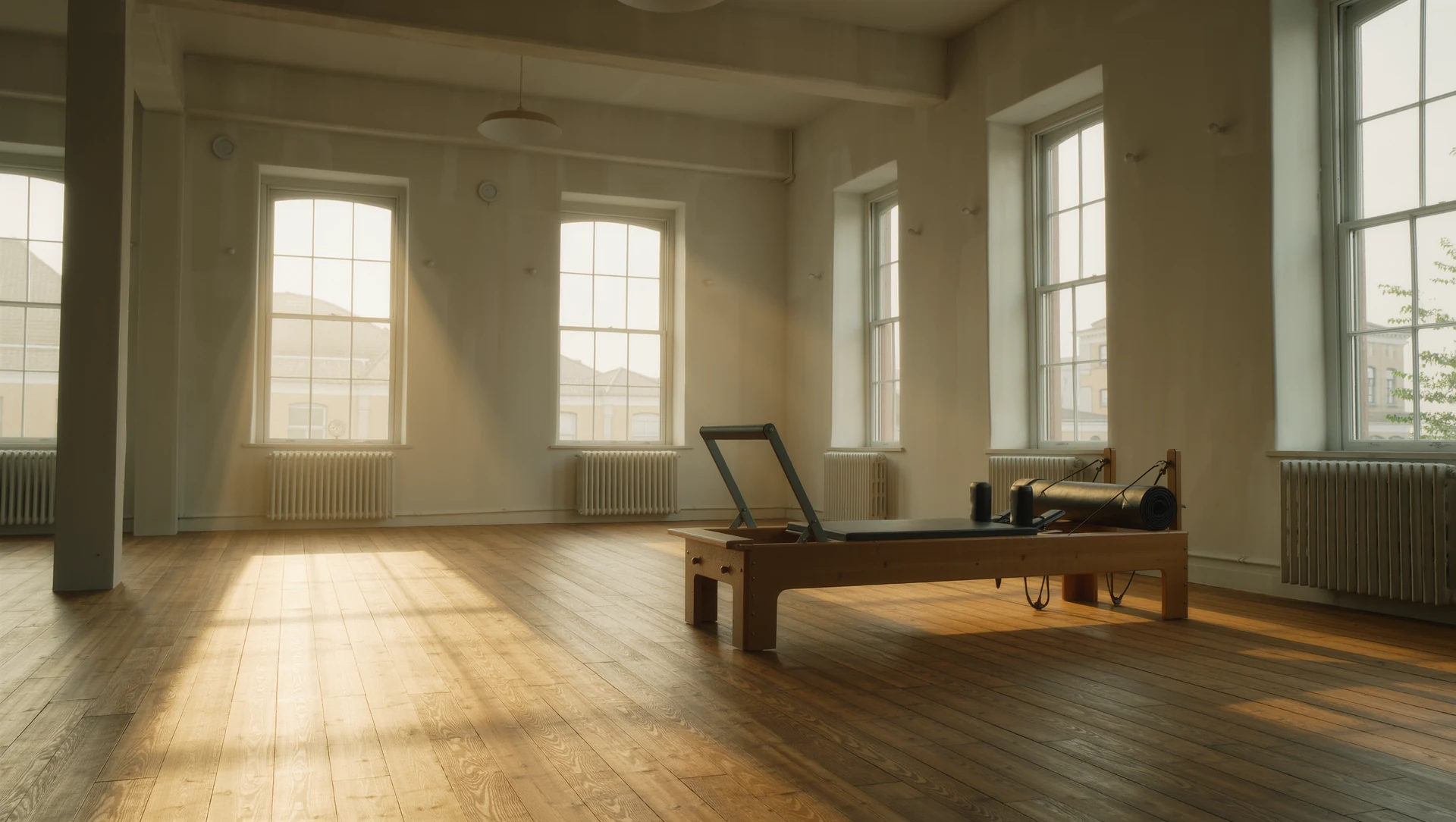
While many Pilates exercises can be performed on a mat, various equipment options enhance core strengthening efforts. The Reformer is one of the most popular pieces of equipment used in Pilates studios. It features springs and pulleys that provide resistance during exercises, allowing for greater muscle engagement.
Using a Reformer can intensify traditional mat exercises by adding resistance and support. For example, performing a “Footwork” series on the Reformer targets the legs while engaging the core for stability. This versatility makes it an excellent tool for both beginners and advanced practitioners.
Other equipment options include stability balls and resistance bands. Stability balls challenge balance while engaging the core during various exercises. Resistance bands add an element of resistance that can enhance strength training efforts in conjunction with core-focused movements.
Common Mistakes to Avoid in Pilates for Core Strength
While practicing Pilates for core strength can be highly beneficial, there are common mistakes that individuals should avoid to maximize results. One frequent error is neglecting proper form during exercises. Maintaining alignment is crucial for engaging the correct muscles and preventing injury.
Another mistake is rushing through movements without focusing on control and precision. Pilates emphasizes slow, deliberate movements that promote muscle engagement and awareness. Practitioners should take their time with each exercise to ensure they are performing it correctly.
Additionally, some individuals may overlook the importance of breath control during their practice. Failing to coordinate breath with movement can diminish the effectiveness of exercises and lead to unnecessary tension in the body. Practicing mindful breathing enhances overall performance and results.
Pilates for Rehabilitation and Injury Prevention
Pilates is widely recognized as an effective method for rehabilitation and injury prevention. Its low-impact nature makes it suitable for individuals recovering from injuries or surgeries. By focusing on controlled movements that strengthen the core and improve flexibility, practitioners can regain strength without placing excessive strain on their bodies.
Physical therapists often incorporate Pilates principles into rehabilitation programs due to its emphasis on alignment and stability.
Many exercises can be modified to accommodate individual needs, making it accessible for various conditions such as back pain or joint issues.Furthermore, regular practice of Pilates can help prevent injuries by addressing muscle imbalances and enhancing overall body awareness.
A strong core supports proper movement patterns, reducing the likelihood of strains or sprains during physical activities.
Advanced Pilates Techniques for Core Strength
For those looking to take their Pilates practice to the next level, advanced techniques can further enhance core strength development.
One such technique is “Teaser,” which challenges balance and coordination while engaging multiple muscle groups simultaneously.Another advanced exercise is “Control Balance,” which requires significant core strength and flexibility.
This exercise involves balancing on your shoulders while lifting your legs overhead, a true test of stability and control. Incorporating these advanced techniques into your routine not only builds strength but also keeps workouts engaging and challenging. As you progress in your practice, exploring these advanced movements can provide new insights into your body’s capabilities.
Tips for Maintaining Core Strength with Pilates
To maintain core strength gained through Pilates practice, consistency is key. Regularly incorporating Pilates sessions into your fitness routine will help reinforce muscle memory and prevent regression in strength levels. Additionally, focusing on variety within your workouts can keep things fresh and exciting.
Experimenting with different exercises or equipment can challenge your muscles in new ways while preventing boredom. Lastly, integrating mindfulness into your practice will enhance your connection with your body. Being present during each session allows you to focus on form, breath control, and muscle engagement, essential elements for maintaining core strength over time.
Embracing Pilates as a means to strengthen your core offers numerous benefits that extend beyond physical appearance. With its emphasis on stability, posture improvement, and injury prevention, Pilates provides a holistic approach to fitness that can transform your overall well-being. Whether you’re just starting or looking to advance your practice, incorporating these principles will lead you toward achieving lasting results in your fitness journey.
FAQs
What is Pilates?
Pilates is a form of exercise that focuses on strengthening the body’s core muscles, improving posture, and enhancing flexibility and overall body strength.Who created Pilates?
Pilates was developed by Joseph Pilates, a German physical trainer, in the early 20th century.What are the benefits of Pilates?
Some of the benefits of Pilates include improved core strength, better posture, increased flexibility, enhanced muscle tone, and overall body awareness.Is Pilates suitable for all fitness levels?
Yes, Pilates can be adapted to suit individuals of all fitness levels, from beginners to advanced practitioners.What equipment is used in Pilates?
Pilates can be performed with or without equipment. Some common Pilates equipment includes the reformer, cadillac, chair, and barrel.Is Pilates a good form of exercise for rehabilitation?
Yes, Pilates is often used as a form of rehabilitation for individuals recovering from injuries or managing chronic conditions. It can help improve strength, flexibility, and overall body function.How often should one practice Pilates?
The frequency of Pilates practice can vary depending on individual goals and fitness levels. However, it is generally recommended to practice Pilates 2-3 times per week for optimal results.More in
More from Fitness

Fitness · 8 min
Embracing a Fit Lifestyle: Tips for a Healthier You
A fit lifestyle is not just about looking good; it encompasses a holistic approach to health that includes physical, mental, and emotional
Fitness · 8 min
Maximizing Muscle Gains with Protein Powder
Protein plays a crucial role in muscle growth and repair. It is made up of amino acids, which are the building blocks of muscle tissue. When you
Fitness · 8 min
Maximize Your Fitness: Personal Training Tips
Setting clear and realistic goals is the cornerstone of any successful fitness journey. Without defined objectives, it’s easy to lose motivation