Fitness · Health information
Maximizing Muscle Gains with Protein Powder
Protein plays a crucial role in muscle growth and repair. It is made up of amino acids, which are the building blocks of muscle tissue. When you…
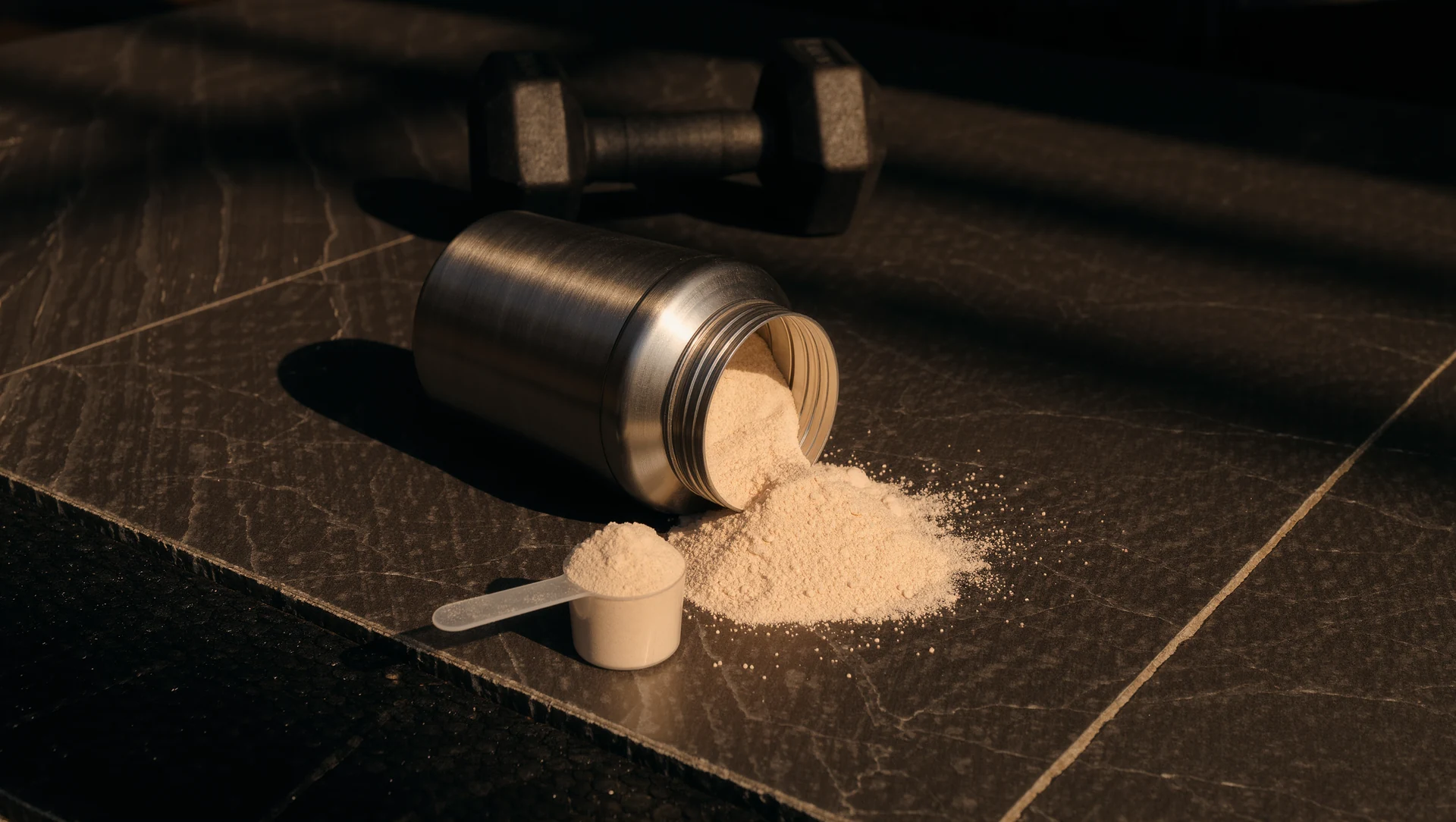

Protein plays a crucial role in muscle growth and repair.
It is made up of amino acids, which are the building blocks of muscle tissue.When you engage in resistance training or any form of exercise that stresses your muscles, tiny tears occur in the muscle fibers.
Protein helps to repair these tears, leading to muscle growth and increased strength. Without adequate protein intake, your body may struggle to recover, hindering your progress and performance. Moreover, protein is essential for maintaining a positive nitrogen balance in the body, which is necessary for muscle hypertrophy.
This balance indicates that your body is in an anabolic state, promoting muscle growth rather than breakdown. Consuming sufficient protein not only supports muscle repair but also aids in overall recovery, allowing you to train harder and more frequently. Understanding the importance of protein is the first step toward optimizing your muscle-building efforts.
Key takeaways
- Protein is essential for muscle growth and repair, as it provides the building blocks for muscle tissue.
- Whey protein is a popular choice for muscle growth, as it is quickly absorbed by the body and contains high levels of essential amino acids.
- Consuming protein within 30 minutes to 2 hours after a workout can maximize muscle gains and recovery.
- To calculate your protein needs for muscle growth, aim for 1.2-2.2 grams of protein per kilogram of body weight per day.
- Incorporating protein powder into your pre- and post-workout routine can help support muscle recovery and growth.
Choosing the Right Type of Protein Powder
When it comes to selecting a protein powder, there are several options available, each with its unique benefits. Whey protein is one of the most popular choices due to its high biological value and rapid absorption rate. It is ideal for post-workout recovery as it quickly delivers amino acids to the muscles.
On the other hand, casein protein digests more slowly, making it a great option for sustained amino acid release, especially before bedtime. Plant-based protein powders, such as pea, hemp, and brown rice protein, are excellent alternatives for those who are lactose intolerant or prefer vegan options. These proteins may not contain all essential amino acids but can be combined to create a complete protein profile.
Ultimately, the right type of protein powder depends on your dietary preferences, fitness goals, and any food sensitivities you may have.
Timing Your Protein Intake for Maximum Muscle Gains
Timing your protein intake can significantly impact your muscle-building results. Consuming protein shortly after your workout is crucial for maximizing muscle recovery and growth. This post-workout window, often referred to as the “anabolic window,” is when your muscles are most receptive to nutrients.
Aim to consume a protein-rich meal or shake within 30 minutes to two hours after exercising. In addition to post-workout nutrition, spreading your protein intake throughout the day can also enhance muscle growth. Research suggests that consuming protein at regular intervals, every three to four hours, can help maintain a positive nitrogen balance and support muscle synthesis.
This approach ensures that your body has a steady supply of amino acids available for muscle repair and growth throughout the day.
Calculating Your Protein Needs for Muscle Growth
Determining your protein needs is essential for optimizing muscle growth.
A general guideline for those engaged in resistance training is to consume between 1.6 to 2.2 grams of protein per kilogram of body weight per day. For example, if you weigh 70 kg (154 lbs), your daily protein intake should range from 112 to 154 grams.
To calculate your specific needs, consider factors such as your age, sex, activity level, and fitness goals. Athletes or individuals aiming for significant muscle gain may require higher protein intake compared to those with moderate exercise routines. Additionally, tracking your protein consumption can help ensure you meet your daily targets and adjust as needed based on your progress.
Incorporating Protein Powder into Your Pre- and Post-Workout Routine
Integrating protein powder into your pre- and post-workout routine can enhance your overall performance and recovery. For pre-workout nutrition, consuming a protein shake about 30 minutes before exercising can provide your muscles with the necessary amino acids to fuel your workout. This can help improve endurance and reduce muscle breakdown during intense training sessions.
Post-workout, a protein shake is an excellent way to kickstart recovery. Mixing protein powder with water or milk creates a convenient and easily digestible source of nutrients that can quickly replenish depleted energy stores and support muscle repair. Pairing your shake with carbohydrates can further enhance recovery by replenishing glycogen stores and promoting insulin release, which aids in nutrient uptake by the muscles.
Combining Protein Powder with Other Nutrients for Optimal Muscle Recovery
For optimal muscle recovery, it’s essential to combine protein powder with other nutrients that support overall health and performance. Carbohydrates play a vital role in replenishing glycogen stores after exercise. Including a source of carbohydrates in your post-workout shake, such as fruit or oats, can enhance recovery and improve subsequent workout performance.
Additionally, incorporating healthy fats into your diet can support hormone production and overall health. While fats should be consumed in moderation around workout times, including sources like avocados or nut butter in your meals can provide essential fatty acids that contribute to overall well-being. A balanced approach that includes proteins, carbohydrates, and fats will ensure you’re fueling your body effectively for muscle growth.
Avoiding Common Mistakes When Using Protein Powder for Muscle Gains
While protein powder can be an effective tool for muscle gains, there are common mistakes that many individuals make when incorporating it into their routines. One frequent error is relying solely on protein supplements instead of obtaining nutrients from whole food sources. While protein powder can be convenient, it should complement a balanced diet rich in whole foods like lean meats, dairy, legumes, and vegetables.
Another mistake is neglecting hydration. Protein metabolism requires adequate water intake; failing to stay hydrated can hinder recovery and performance. Additionally, some individuals may consume excessive amounts of protein without considering their overall caloric intake, which can lead to unwanted weight gain.
It’s essential to strike a balance between meeting protein needs and maintaining a healthy overall diet.
Exploring Different Flavors and Brands of Protein Powder
The market offers a wide variety of flavors and brands of protein powder, making it easier to find one that suits your taste preferences. From classic chocolate and vanilla to unique flavors like cookies and cream or salted caramel, there’s something for everyone. Experimenting with different flavors can keep your protein intake enjoyable and prevent monotony.
When choosing a brand, consider factors such as ingredient quality, sourcing practices, and third-party testing for purity and potency. Reading reviews and seeking recommendations from trusted sources can help you make an informed decision. Opting for reputable brands ensures you’re getting a product that aligns with your health goals and dietary needs.
Creating Delicious and Nutritious Protein-Packed Recipes
Incorporating protein powder into delicious recipes can enhance your diet while providing essential nutrients for muscle growth. Smoothies are a popular choice; blending protein powder with fruits, vegetables, and nut butter creates a nutritious meal or snack option. You can also add protein powder to oatmeal or yogurt for an extra boost at breakfast.
Baking with protein powder is another creative way to increase your intake. Recipes for protein pancakes, muffins, or energy bars allow you to enjoy tasty treats while meeting your nutritional goals. By experimenting with different recipes, you can find enjoyable ways to incorporate protein powder into your daily routine without sacrificing flavor.
Monitoring Your Progress and Adjusting Your Protein Intake Accordingly
Tracking your progress is vital for understanding how well your current protein intake supports your muscle growth goals. Regularly assessing factors such as strength gains, body composition changes, and overall energy levels can provide insights into whether you need to adjust your protein consumption. If you find that you’re not making the desired progress despite consistent training efforts, consider increasing your protein intake slightly or reassessing your overall diet quality.
Conversely, if you’re gaining weight too quickly or feeling sluggish, it may be necessary to reevaluate your caloric intake and adjust accordingly. Monitoring progress allows you to make informed decisions about your nutrition strategy.
Seeking Professional Advice for Personalized Protein Powder Recommendations
For personalized guidance on protein powder usage tailored to your specific needs and goals, consider seeking advice from a registered dietitian or nutritionist. These professionals can assess your dietary habits, fitness level, and health status to provide tailored recommendations that align with your objectives. A professional can help you navigate the vast array of options available on the market and suggest products that meet your individual requirements.
They can also assist in creating a comprehensive nutrition plan that incorporates not only protein but also other essential nutrients necessary for optimal performance and recovery. Understanding the role of protein in muscle growth is fundamental for anyone looking to enhance their fitness journey. By choosing the right type of protein powder, timing your intake effectively, calculating your needs accurately, and avoiding common pitfalls, you can maximize your results.
Incorporating delicious recipes and seeking professional advice will further support your efforts toward achieving optimal muscle gains. Start today by evaluating your current routine and making adjustments that align with these principles!
FAQs
What is protein powder?
Protein powder is a dietary supplement that is typically made from whey, casein, soy, or egg proteins. It is used to increase protein intake and support muscle growth and repair.How is protein powder used?
Protein powder can be mixed with water, milk, or added to smoothies and other recipes. It is commonly consumed before or after a workout to support muscle recovery and growth.What are the benefits of using protein powder?
Protein powder can help increase muscle mass, support weight management, and aid in muscle recovery after exercise. It can also be a convenient way to increase protein intake for those with busy lifestyles.Are there any potential side effects of using protein powder?
When consumed in moderation, protein powder is generally safe for most people. However, excessive intake of protein powder can lead to digestive issues, kidney problems, and an increased risk of nutrient deficiencies.Who can benefit from using protein powder?
Athletes, bodybuilders, and individuals looking to increase their protein intake may benefit from using protein powder. It can also be useful for those with dietary restrictions or those who struggle to meet their protein needs through whole foods alone.Is protein powder suitable for vegetarians and vegans?
Yes, there are plant-based protein powders available that are suitable for vegetarians and vegans. These powders are typically made from sources such as pea protein, rice protein, hemp protein, or a blend of different plant-based proteins.More in
More from Fitness

Fitness · 8 min
Maximize Your Fitness: Personal Training Tips
Setting clear and realistic goals is the cornerstone of any successful fitness journey. Without defined objectives, it’s easy to lose motivation
Fitness · 8 min
Maximize Muscle Building with These Proven Tips
Proper nutrition is the cornerstone of any successful fitness regimen. It fuels your body, supports muscle growth, and aids in recovery. Without

Fitness · 8 min
Maximize Your Workouts with Heart Rate Training
Heart rate training is a method that utilizes your heart rate as a guide to optimize your workouts. By monitoring your heart rate, you can