Nutrition · Health information
Eating Like a Caveman: The Paleo Diet
The Paleo Diet, often referred to as the “Caveman Diet,” is a nutritional plan that emphasizes whole, unprocessed foods similar to what our…


The Paleo Diet, often referred to as the “Caveman Diet,” is a nutritional plan that emphasizes whole, unprocessed foods similar to what our ancestors consumed during the Paleolithic era. This diet primarily includes lean meats, fish, fruits, vegetables, nuts, and seeds while excluding processed foods, grains, legumes, and dairy. The underlying philosophy is to return to a way of eating that aligns with our genetic makeup, promoting optimal health and well-being.
By focusing on nutrient-dense foods, the Paleo Diet aims to reduce inflammation, improve digestion, and enhance overall health. Many followers report increased energy levels, weight loss, and improved mental clarity. The simplicity of the diet makes it appealing; it encourages individuals to eat natural foods while avoiding artificial additives and preservatives.
Key takeaways
- The Paleo Diet focuses on eating whole, unprocessed foods that mimic the diet of our ancestors.
- The Paleo Diet is based on the idea that our bodies are best adapted to the diet of Paleolithic humans.
- Eating like a caveman can lead to benefits such as weight loss, improved energy levels, and better digestion.
- Allowed foods on the Paleo Diet include lean meats, fish, fruits, vegetables, nuts, and seeds.
- Restricted foods on the Paleo Diet include processed foods, grains, dairy, and legumes.
The History of the Paleo Diet
The concept of the Paleo Diet is rooted in the dietary habits of our hunter-gatherer ancestors who thrived on a diet rich in whole foods. This way of eating has been around for thousands of years, but it gained significant popularity in the early 21st century. The modern Paleo movement was largely popularized by Dr.
Loren Cordain’s book, “The Paleo Diet,” published in 2002. Cordain’s research highlighted the health benefits of consuming foods that our ancestors would have eaten. Historically, the human diet has evolved dramatically with the advent of agriculture around 10,000 years ago.
This shift introduced grains and processed foods that were not part of our ancestors’ diets. As a result, many health issues emerged, prompting researchers and nutritionists to explore the potential benefits of reverting to a more primal way of eating. The Paleo Diet emerged as a response to these concerns, advocating for a return to natural foods that promote health and longevity.
The Benefits of Eating Like a Caveman
Eating like a caveman offers numerous health benefits that can enhance overall well-being. One of the primary advantages is weight management. By focusing on whole foods and eliminating processed options, individuals often find it easier to maintain a healthy weight.
The high protein content in meats and fish can also promote satiety, reducing cravings and unnecessary snacking. Another significant benefit is improved digestion. The Paleo Diet encourages the consumption of fiber-rich fruits and vegetables while eliminating grains and legumes that can cause digestive discomfort for some people.
This shift can lead to better gut health and reduced bloating. Additionally, many followers report increased energy levels and mental clarity due to the absence of refined sugars and unhealthy fats found in processed foods.
What Foods are Allowed on the Paleo Diet?
The Paleo Diet is centered around whole, unprocessed foods that are nutrient-dense and beneficial for health. Allowed foods include a variety of lean meats such as grass-fed beef, free-range poultry, and wild-caught fish. These protein sources provide essential amino acids necessary for muscle repair and overall bodily functions.
Fruits and vegetables are also staples in the Paleo Diet. They provide vitamins, minerals, and antioxidants that support immune function and overall health. Nuts and seeds are encouraged as healthy fat sources but should be consumed in moderation due to their calorie density.
Healthy fats from sources like avocados and olive oil are also included, promoting heart health and satiety.
What Foods are Restricted on the Paleo Diet?
While the Paleo Diet offers a wide range of food options, it also restricts certain categories that are considered detrimental to health. Grains such as wheat, rice, corn, and oats are excluded due to their potential to cause inflammation and digestive issues. These foods are often processed and can lead to spikes in blood sugar levels.
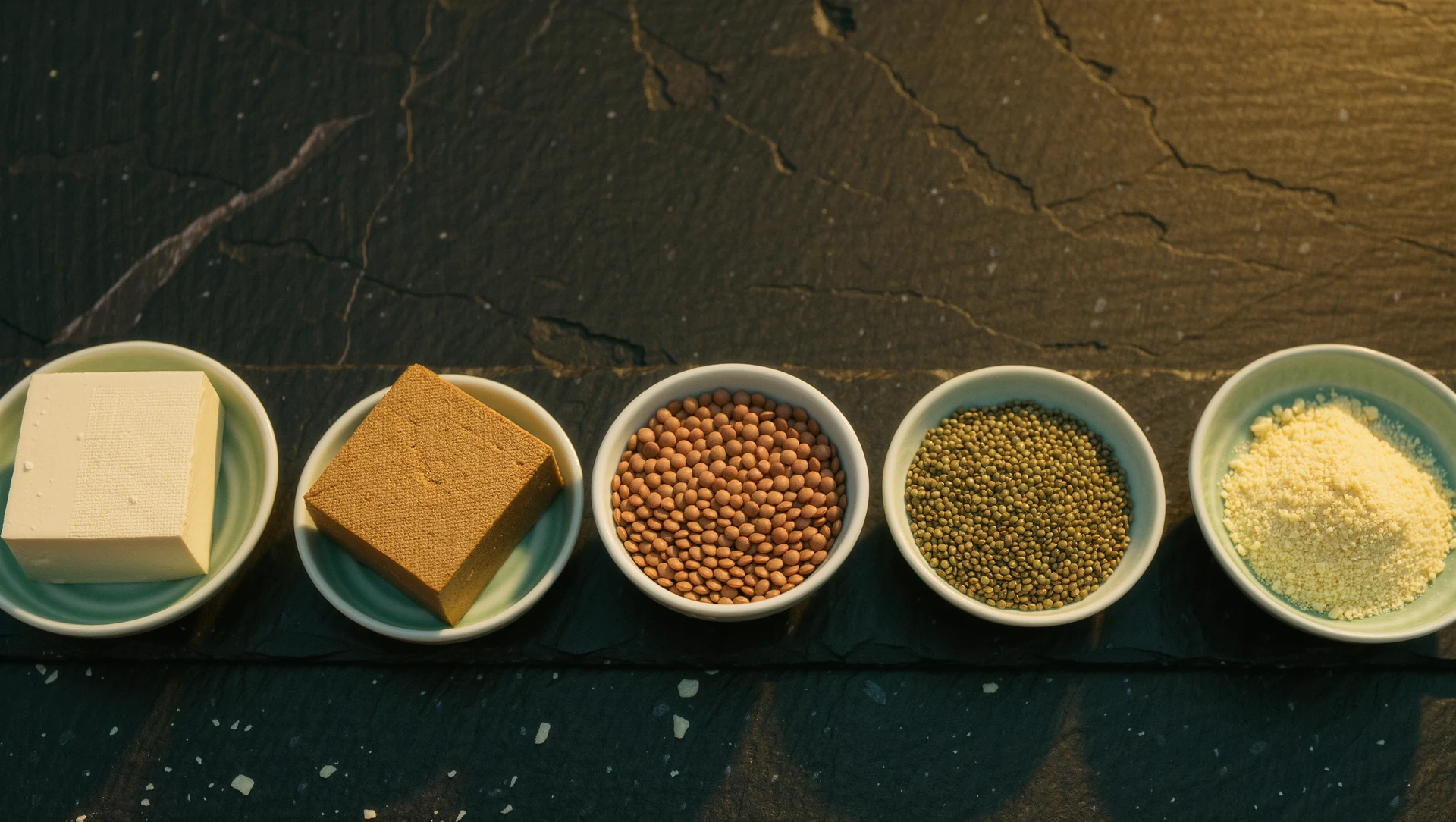
Legumes, including beans, lentils, and peanuts, are also restricted because they contain anti-nutrients that can interfere with nutrient absorption.Dairy products are generally avoided as well since they were not part of our ancestors’ diets; however, some variations of the diet allow for certain fermented dairy products like yogurt or cheese in moderation. Processed foods high in sugar, artificial additives, and unhealthy fats are strictly off-limits.
How to Transition to the Paleo Diet
Transitioning to the Paleo Diet can be a smooth process with proper planning and preparation. Start by gradually eliminating processed foods from your diet while introducing more whole foods. This approach helps your body adjust without feeling deprived.
Begin by replacing one meal a day with a Paleo-friendly option, such as a salad topped with grilled chicken or a vegetable stir-fry. Meal prepping can also ease the transition. Prepare snacks like cut-up vegetables or nuts for easy access when hunger strikes.
Stock your pantry with essential Paleo staples like coconut oil, almond flour, and spices to make cooking easier. Additionally, educate yourself about Paleo-friendly recipes to keep your meals exciting and varied.
Tips for Success on the Paleo Diet
To succeed on the Paleo Diet, it’s essential to stay organized and motivated. One effective strategy is to create a weekly meal plan that outlines your meals and snacks. This practice not only saves time but also helps you avoid impulsive food choices that may not align with your dietary goals.
Another tip is to find a supportive community or group that shares similar dietary interests. Engaging with others who follow the Paleo lifestyle can provide encouragement, recipe ideas, and accountability. Lastly, listen to your body; if you feel hungry or fatigued, reassess your food choices to ensure you’re meeting your nutritional needs.
The Role of Exercise in the Paleo Lifestyle
Exercise plays a crucial role in the Paleo lifestyle as it complements the dietary principles by promoting overall health and fitness. Engaging in regular physical activity helps maintain muscle mass, supports cardiovascular health, and enhances mental well-being.
The Paleo approach encourages functional movements that mimic those performed by our ancestors, such as running, climbing, and lifting.
Incorporating both strength training and cardiovascular exercises into your routine can yield optimal results. Activities like hiking or outdoor sports align well with the Paleo philosophy by connecting you with nature while providing an effective workout. Strive for consistency in your exercise regimen to maximize the benefits of both diet and physical activity.
Common Misconceptions about the Paleo Diet
Despite its popularity, several misconceptions surround the Paleo Diet that can deter individuals from trying it. One common myth is that the diet is overly restrictive or difficult to follow. While it does eliminate certain food groups, many find it liberating to focus on whole foods rather than counting calories or tracking macronutrients.
Another misconception is that the Paleo Diet is solely meat-based. In reality, it emphasizes a balanced intake of fruits, vegetables, nuts, seeds, and healthy fats alongside protein sources. Additionally, some believe that following this diet is expensive; however, with careful planning and shopping for seasonal produce or bulk items, it can be budget-friendly.
Paleo Diet Recipes and Meal Ideas
Exploring delicious recipes is an excellent way to stay motivated on the Paleo Diet. Breakfast options could include scrambled eggs with spinach and avocado or a smoothie made with almond milk and berries. For lunch, consider a hearty salad topped with grilled chicken or salmon paired with olive oil dressing.
Dinner could feature roasted vegetables alongside a lean cut of meat or fish seasoned with herbs and spices for flavor. Snacks can be simple yet satisfying, think apple slices with almond butter or mixed nuts for an energy boost throughout the day. The key is to experiment with flavors while keeping meals nutritious.
The Future of the Paleo Diet
As more people become aware of the benefits of whole foods and natural eating patterns, the future of the Paleo Diet looks promising. With ongoing research supporting its health advantages, such as weight loss and improved metabolic markers, interest in this lifestyle continues to grow. Moreover, as food technology advances, there are increasing options for convenient yet healthy products that align with Paleo principles.
This evolution may make it easier for individuals to adopt this lifestyle without feeling overwhelmed by preparation time or ingredient sourcing. Ultimately, as awareness spreads about nutrition’s impact on health, the Paleo Diet may become an integral part of mainstream dietary practices. Embracing the Paleo Diet offers numerous benefits rooted in our ancestral eating patterns.
By focusing on whole foods while eliminating processed options, individuals can experience improved health outcomes and enhanced well-being. Whether you’re looking to lose weight or simply adopt a healthier lifestyle, exploring this diet may be a worthwhile endeavor for you.
FAQs
What is the paleo diet?
The paleo diet, also known as the caveman diet, is a dietary plan based on foods similar to what might have been eaten during the Paleolithic era, which dates from approximately 2.5 million to 10,000 years ago. It typically includes lean meats, fish, fruits, vegetables, nuts, and seeds, while excluding processed foods, grains, legumes, and dairy products.What foods are allowed on the paleo diet?
Foods allowed on the paleo diet include lean meats, fish, fruits, vegetables, nuts, seeds, and healthy fats such as olive oil and coconut oil. These foods are believed to mimic the food groups that our ancestors would have consumed during the Paleolithic era.What foods are not allowed on the paleo diet?
Foods not allowed on the paleo diet include processed foods, grains, legumes, dairy products, refined sugar, and artificial sweeteners. These foods are excluded from the paleo diet due to their absence in the diets of our ancient ancestors.What are the potential benefits of the paleo diet?
Advocates of the paleo diet claim that it can lead to weight loss, improved energy levels, better digestion, and reduced risk of chronic diseases such as diabetes and heart disease. However, more research is needed to fully understand the long-term effects of the paleo diet on health.Are there any potential drawbacks to the paleo diet?
Critics of the paleo diet argue that it may be too restrictive and difficult to sustain in the long term. Additionally, some experts have raised concerns about the potential lack of certain nutrients, such as calcium and vitamin D, due to the exclusion of dairy products.Is the paleo diet suitable for everyone?
The paleo diet may not be suitable for everyone, especially those with certain medical conditions or dietary restrictions. It is important to consult with a healthcare professional before making significant changes to your diet, especially if you have any underlying health concerns.More in
More from Nutrition

Nutrition · 8 min
Maximizing Health with Dietary Supplements
Dietary supplements are products designed to enhance your daily intake of essential nutrients. They come in various forms, including pills

Nutrition · 9 min
Boost Your Brain with Effective Supplements
Brain health is a crucial aspect of overall well-being, encompassing cognitive function, emotional stability, and memory retention. It refers to
Nutrition · 8 min
Optimizing Vegan Nutrition for Health
Vegan nutrition is a dietary approach that excludes all animal products, including meat, dairy, and eggs. This lifestyle choice is often