Nutrition · Health information
Optimizing Vegan Nutrition for Health
Vegan nutrition is a dietary approach that excludes all animal products, including meat, dairy, and eggs. This lifestyle choice is often…
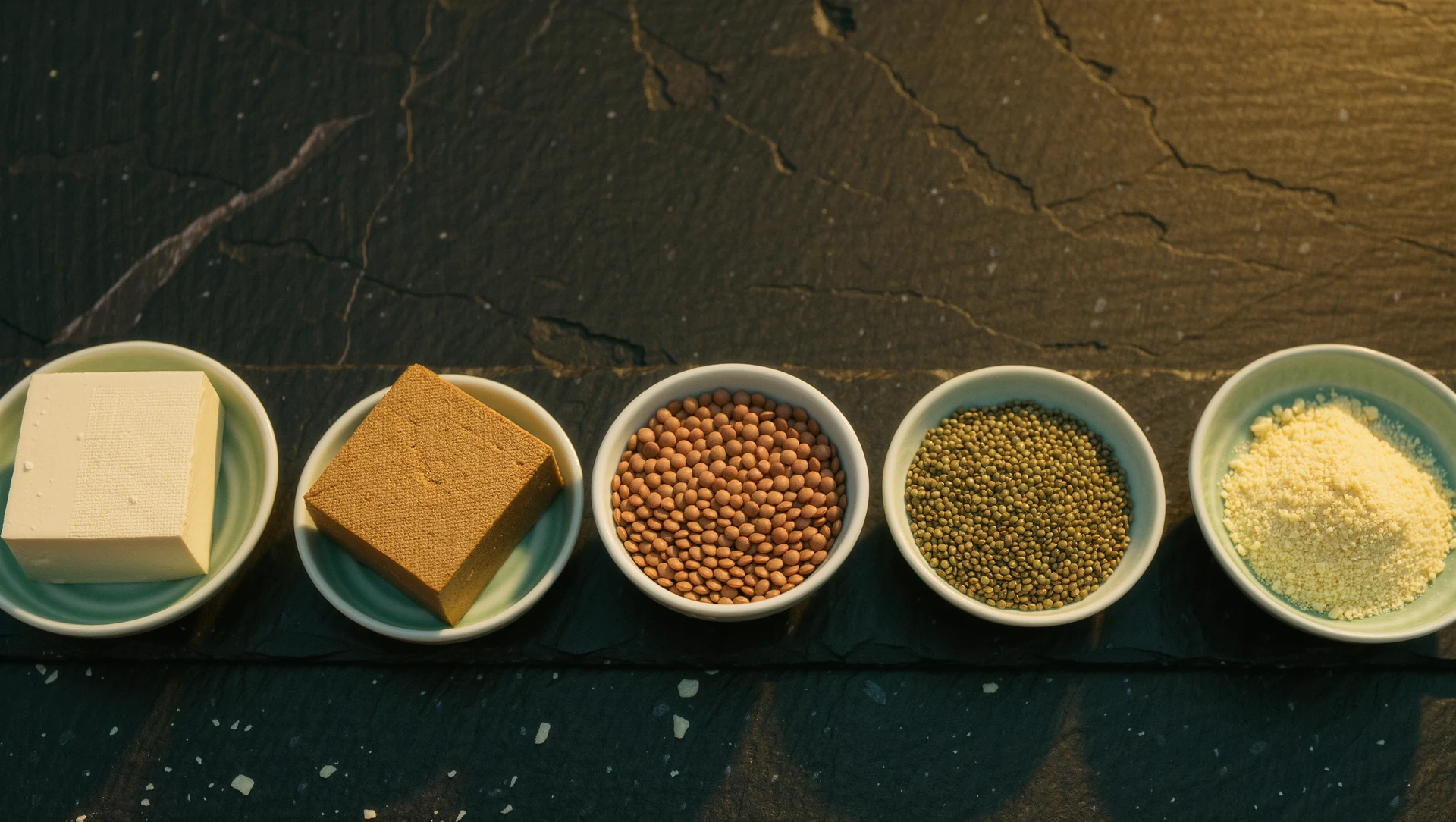

Vegan nutrition is a dietary approach that excludes all animal products, including meat, dairy, and eggs. This lifestyle choice is often motivated by ethical, environmental, or health considerations. Understanding vegan nutrition is crucial for anyone considering this path, as it requires careful planning to ensure all nutritional needs are met.
A well-balanced vegan diet can provide numerous health benefits, including lower risks of heart disease, hypertension, and certain cancers. However, it also presents unique challenges that require awareness and knowledge. Transitioning to a vegan diet can be both exciting and daunting.
Many people are drawn to the idea of eating plant-based foods, but they may not know how to create balanced meals that provide all essential nutrients.This is where understanding vegan nutrition becomes vital. By learning about the various food groups and their nutritional profiles, individuals can make informed choices that support their health while adhering to their ethical beliefs.
Key takeaways
- Vegan diets can provide all the necessary nutrients with proper planning and supplementation
- Essential nutrients for vegans include protein, iron, vitamin B12, omega-3 fatty acids, calcium, and vitamin D
- Protein sources for vegans include beans, lentils, tofu, tempeh, and seitan
- Iron and vitamin B12 can be obtained from fortified foods or supplements in a vegan diet
- Omega-3 fatty acids can be sourced from flaxseeds, chia seeds, hemp seeds, and walnuts
Essential Nutrients for Vegans
Vegans must pay special attention to certain nutrients that are commonly found in animal products. These include protein, iron, vitamin B12, omega-3 fatty acids, calcium, and vitamin D. Each of these nutrients plays a critical role in maintaining overall health and well-being.
For instance, protein is essential for muscle repair and growth, while iron is crucial for oxygen transport in the blood. Vitamin B12 is vital for nerve function and the production of DNA and red blood cells. To ensure a well-rounded intake of these essential nutrients, vegans should focus on incorporating a variety of foods into their diet.
This includes legumes, whole grains, nuts, seeds, fruits, and vegetables. By diversifying their food choices, vegans can better meet their nutritional needs while enjoying a wide range of flavors and textures.
Protein Sources for Vegans
Protein is often a primary concern for those adopting a vegan diet. However, there are plenty of plant-based sources that can provide adequate protein levels. Legumes such as lentils, chickpeas, and black beans are excellent options.
They not only offer protein but also provide fiber and essential vitamins. Tofu and tempeh are also great sources of protein derived from soybeans, making them versatile ingredients in many dishes. In addition to legumes and soy products, whole grains like quinoa and farro contain significant amounts of protein.
Nuts and seeds, such as almonds, chia seeds, and hemp seeds, also contribute to protein intake while providing healthy fats. By combining these various sources throughout the day, vegans can easily meet their protein requirements without relying on animal products.
Iron and Vitamin B12 in a Vegan Diet
Iron is another nutrient that requires attention in a vegan diet. Plant-based sources of iron include lentils, beans, tofu, quinoa, and dark leafy greens like spinach. However, the type of iron found in plant foods (non-heme iron) is not as easily absorbed by the body as the heme iron found in animal products.
To enhance absorption, vegans should pair iron-rich foods with vitamin C sources like citrus fruits or bell peppers. Vitamin B12 is particularly challenging for vegans since it is primarily found in animal products. A deficiency in this vitamin can lead to serious health issues such as anemia and neurological problems.
Vegans should consider fortified foods like plant-based milks or breakfast cereals that contain added B12. Additionally, taking a B12 supplement can help ensure adequate intake.
Omega-3 Fatty Acids for Vegans
Omega-3 fatty acids are essential fats that play a crucial role in heart health and brain function. While fish is a well-known source of omega-3s, vegans can obtain these beneficial fats from plant-based sources such as flaxseeds, chia seeds, and walnuts. Algal oil supplements are another excellent option for vegans seeking omega-3s without consuming fish.
Incorporating these plant-based sources into daily meals can help maintain optimal omega-3 levels. For example, adding ground flaxseeds to smoothies or oatmeal can boost omega-3 intake while providing additional fiber.
By being mindful of omega-3 sources, vegans can support their overall health effectively.
Calcium and Vitamin D in a Vegan Diet
Calcium is vital for bone health and muscle function. While dairy products are commonly associated with calcium intake, vegans can find this mineral in fortified plant-based milks, tofu made with calcium sulfate, almonds, and leafy greens like kale and bok choy. Ensuring adequate calcium intake is essential for maintaining strong bones and preventing osteoporosis.
Vitamin D works hand-in-hand with calcium to support bone health. The body produces vitamin D when exposed to sunlight; however, many people may not get enough sun exposure year-round. Vegans should consider fortified foods or supplements to meet their vitamin D needs.
Mushrooms exposed to UV light can also provide some vitamin D when included in the diet.
Tips for Optimizing Vegan Nutrition
To optimize vegan nutrition, individuals should focus on variety and balance in their meals. Eating a wide range of fruits, vegetables, whole grains, legumes, nuts, and seeds ensures that all essential nutrients are covered. Meal prepping can also be beneficial; planning meals ahead of time helps avoid last-minute unhealthy choices.
Reading food labels is crucial for identifying fortified products that can help fill nutritional gaps. Additionally, cooking methods matter; steaming vegetables preserves more nutrients than boiling them. Lastly, staying hydrated by drinking plenty of water supports overall health and aids digestion.
Vegan Supplements for Nutrient Optimization
While a well-planned vegan diet can provide most nutrients needed for good health, some individuals may benefit from supplements to fill specific gaps. Common supplements for vegans include vitamin B12, vitamin D3 (especially during winter months), omega-3 fatty acids (from algal oil), and iron if dietary intake is insufficient. Before starting any supplement regimen, it’s wise to consult with a healthcare professional or registered dietitian who can assess individual needs based on dietary habits and lifestyle factors.
This personalized approach ensures that supplementation is both safe and effective.
Meal Planning for a Well-Balanced Vegan Diet
Meal planning is an effective strategy for maintaining a balanced vegan diet. Start by creating a weekly menu that includes diverse food groups at each meal. Incorporate various colors of fruits and vegetables to ensure a wide range of nutrients.
Consider batch cooking staples like grains and legumes to save time during the week. Preparing snacks such as hummus with veggies or energy balls made from nuts and seeds can help curb hunger between meals while providing essential nutrients. By planning ahead, individuals can enjoy delicious meals without compromising their nutritional needs.
Potential Pitfalls in Vegan Nutrition
Despite its many benefits, vegan nutrition does come with potential pitfalls that individuals should be aware of. One common issue is relying too heavily on processed vegan foods that may be high in sugar or unhealthy fats but low in essential nutrients. It’s important to prioritize whole foods over processed options whenever possible.
Another pitfall is neglecting certain nutrients like vitamin B12 or iron due to lack of awareness or planning. Regularly monitoring nutrient intake through food tracking apps or consulting with a dietitian can help prevent deficiencies and ensure optimal health on a vegan diet.
Consulting a Registered Dietitian for Personalized Guidance
For those new to veganism or struggling with nutrient intake, consulting a registered dietitian can provide invaluable support. A dietitian can offer personalized guidance tailored to individual dietary preferences and health goals. They can help create meal plans that ensure all nutritional needs are met while considering personal tastes.
Additionally, a dietitian can assist in identifying any potential deficiencies early on and recommend appropriate supplements if necessary. With professional guidance, individuals can confidently navigate their vegan journey while enjoying the numerous health benefits this lifestyle has to offer. Understanding vegan nutrition involves recognizing essential nutrients and how to obtain them from plant-based sources.
By being mindful of dietary choices and seeking professional guidance when needed, individuals can thrive on a vegan diet while enjoying its many benefits for health and well-being.
FAQs
What is vegan nutrition?
Vegan nutrition refers to a diet that excludes all animal products, including meat, dairy, eggs, and honey. It focuses on consuming plant-based foods such as fruits, vegetables, grains, legumes, nuts, and seeds.Is it possible to get all the necessary nutrients from a vegan diet?
Yes, it is possible to get all the necessary nutrients from a well-planned vegan diet. However, it is important for vegans to pay attention to their intake of nutrients such as protein, iron, calcium, vitamin B12, and omega-3 fatty acids, as these nutrients are commonly found in animal products.What are some sources of protein for vegans?
Vegans can obtain protein from sources such as beans, lentils, chickpeas, tofu, tempeh, seitan, quinoa, nuts, and seeds. It is important to consume a variety of these protein sources to ensure adequate intake of essential amino acids.How can vegans ensure they get enough iron in their diet?
Vegans can obtain iron from plant-based sources such as lentils, chickpeas, tofu, spinach, quinoa, and fortified cereals. Consuming vitamin C-rich foods alongside iron-rich foods can also enhance iron absorption.What are some sources of calcium for vegans?
Vegans can obtain calcium from sources such as fortified plant milks, fortified orange juice, tofu made with calcium sulfate, almonds, tahini, and leafy green vegetables such as kale and collard greens.Is it necessary for vegans to take supplements?
Vegans may need to take supplements for nutrients that are challenging to obtain from a plant-based diet, such as vitamin B12 and omega-3 fatty acids. It is important for vegans to consult with a healthcare professional to determine if supplementation is necessary for their individual needs.What are some potential health benefits of a vegan diet?
A well-planned vegan diet can be associated with lower risks of heart disease, high blood pressure, type 2 diabetes, certain types of cancer, and obesity. It can also contribute to a lower environmental impact and reduced animal suffering.More in
More from Nutrition

Nutrition · 8 min
Maximizing Focus: The Power of Supplements
In today’s fast-paced world, maintaining focus is more crucial than ever. Many individuals struggle with distractions, whether from technology

Nutrition · 8 min
Boost Your Health with Natural Supplements
Natural supplements are products derived from natural sources, including plants, minerals, and animal products, designed to enhance health and
Nutrition · 8 min
The Power of Digestive Enzymes for Better Health
Digestive enzymes are specialized proteins that play a crucial role in breaking down the food we consume into smaller, absorbable components