Healthy Ageing · Health information
Revitalize Your Skin with Red Light Therapy
Red light therapy (RLT) is a non-invasive treatment that utilizes low-level wavelengths of red light to promote healing and rejuvenation in the…
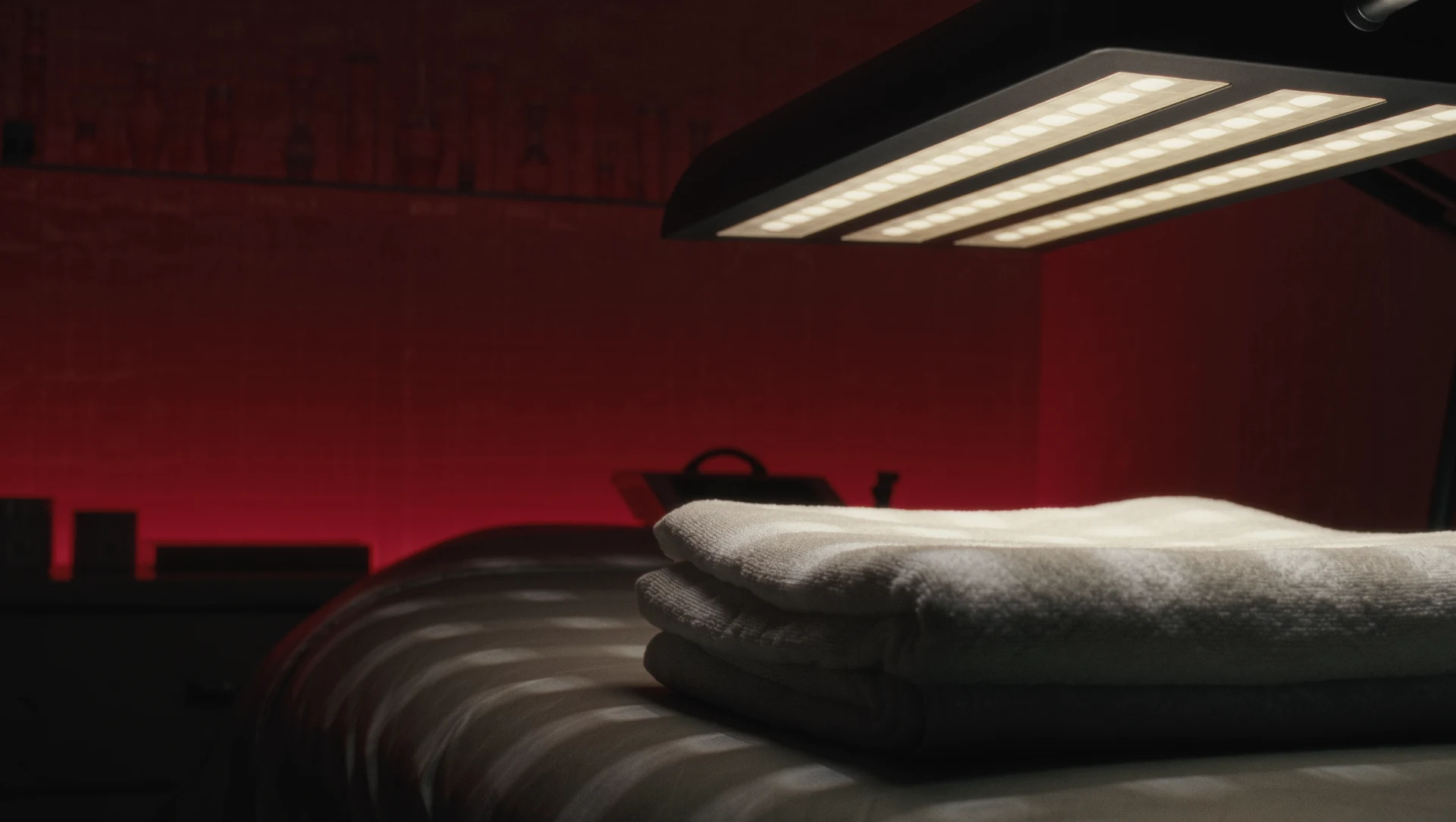

Red light therapy (RLT) is a non-invasive treatment that utilizes low-level wavelengths of red light to promote healing and rejuvenation in the skin. This innovative therapy has gained popularity in recent years due to its effectiveness in addressing various skin concerns. By stimulating cellular processes, red light therapy can enhance skin health, improve appearance, and even alleviate certain medical conditions.
As more people seek natural and effective solutions for their skin issues, understanding the fundamentals of red light therapy becomes essential. The science behind red light therapy is rooted in photobiomodulation, a process where light energy is absorbed by cells, leading to increased ATP production. This boost in energy helps cells function optimally, promoting healing and regeneration.
RLT is often used in dermatology and aesthetics, making it a versatile option for those looking to improve their skin’s health and appearance. With its growing acceptance in both clinical and home settings, red light therapy is becoming a go-to solution for many individuals seeking skin rejuvenation.
Key takeaways
- Red light therapy uses low-level red light wavelengths to treat skin issues and promote overall skin health.
- Red light therapy works by penetrating the skin and stimulating the production of collagen and elastin, which can improve skin texture and reduce wrinkles.
- The benefits of red light therapy for skin include improved skin tone, reduced inflammation, and enhanced wound healing.
- Red light therapy can be effective for treating acne and blemishes by reducing inflammation and promoting healing.
- Red light therapy can help with anti-aging and wrinkles by stimulating collagen production and improving skin elasticity.
How Red Light Therapy Works on the Skin
Red light therapy works by penetrating the skin’s layers to stimulate cellular activity. When the red light is absorbed by the skin, it triggers a series of biological processes that enhance healing and rejuvenation. The primary mechanism involves the stimulation of mitochondria, the powerhouse of cells, which leads to increased ATP production.
This surge in energy allows cells to repair themselves more efficiently and promotes collagen synthesis, essential for maintaining skin elasticity and firmness. Additionally, red light therapy can improve blood circulation in the treated area. Enhanced blood flow delivers more oxygen and nutrients to the skin, further supporting its health and vitality.
This dual action of boosting cellular energy and improving circulation makes red light therapy an effective treatment for various skin conditions. As a result, individuals can experience not only improved skin texture but also a reduction in inflammation and redness.
The Benefits of Red Light Therapy for Skin
The benefits of red light therapy for skin are numerous and well-documented. One of the most significant advantages is its ability to promote collagen production. Collagen is a vital protein that provides structure and elasticity to the skin.
As we age, collagen levels naturally decline, leading to sagging and wrinkles. By stimulating collagen synthesis, red light therapy can help restore youthful skin and reduce the appearance of fine lines. Moreover, red light therapy is known for its anti-inflammatory properties.
It can help soothe irritated skin, making it an excellent option for individuals with conditions like acne or rosacea. The therapy also aids in wound healing by accelerating tissue repair and reducing scarring. With consistent use, many individuals report smoother, healthier skin with improved tone and texture.
Red Light Therapy for Acne and Blemishes
Red light therapy has emerged as a promising treatment for acne and blemishes. The anti-inflammatory effects of RLT can help reduce the redness and swelling associated with acne breakouts. By targeting the sebaceous glands, red light therapy can also regulate oil production, preventing clogged pores that lead to acne formation.
In addition to its anti-inflammatory benefits, red light therapy can promote healing in existing blemishes. The increased cellular activity helps repair damaged skin and reduces the likelihood of scarring. Many users have reported a significant decrease in acne lesions and an overall improvement in their skin’s clarity after incorporating red light therapy into their skincare routine.
Red Light Therapy for Anti-Aging and Wrinkles
As a powerful anti-aging treatment, red light therapy has gained traction among those looking to combat wrinkles and fine lines. The stimulation of collagen production plays a crucial role in this process, as increased collagen levels lead to firmer, more youthful-looking skin.
Regular sessions of RLT can help diminish the appearance of crow’s feet, forehead lines, and other signs of aging.
Furthermore, red light therapy enhances skin texture by promoting cell turnover. This process helps slough off dead skin cells, revealing fresher, more radiant skin underneath. Users often notice a reduction in rough patches and an overall improvement in their complexion after consistent use of red light therapy.
As a result, RLT has become a popular choice for individuals seeking non-invasive anti-aging solutions.
Red Light Therapy for Psoriasis and Eczema
Red light therapy has shown promise in treating chronic skin conditions such as psoriasis and eczema. Both conditions are characterized by inflammation and irritation, which can be alleviated through the anti-inflammatory effects of RLT. By reducing inflammation, red light therapy can help soothe flare-ups and provide relief from itching and discomfort.
In addition to its anti-inflammatory properties, red light therapy can promote healing in affected areas. The increased cellular activity encourages tissue repair and regeneration, helping to restore the skin’s barrier function. Many individuals with psoriasis or eczema have reported significant improvements in their symptoms after incorporating red light therapy into their treatment regimen.
Red Light Therapy for Scar Reduction
Scar reduction is another area where red light therapy excels. Whether from surgery, injury, or acne, scars can be challenging to treat effectively. Red light therapy promotes collagen production and enhances blood flow to the scarred area, facilitating healing and reducing scar visibility over time.
The therapy also helps improve skin texture by promoting cell turnover and encouraging the growth of new, healthy skin cells. Many users have experienced a noticeable reduction in scar appearance after consistent use of red light therapy. This makes RLT an appealing option for those looking to minimize the impact of scars on their skin.
Red Light Therapy for Rosacea and Redness
Rosacea is a chronic skin condition characterized by facial redness and visible blood vessels. Red light therapy can be an effective treatment option for individuals suffering from rosacea due to its ability to reduce inflammation and promote healing. By targeting the underlying causes of redness, RLT can help calm irritated skin and improve overall complexion.
In addition to its anti-inflammatory effects, red light therapy can enhance blood circulation in the treated area. Improved circulation helps deliver essential nutrients to the skin while flushing out toxins that may contribute to redness. Many users have reported a significant reduction in rosacea symptoms after incorporating red light therapy into their skincare routine.
How to Use Red Light Therapy at Home
Using red light therapy at home is convenient and straightforward. Many devices are available on the market, ranging from handheld units to larger panels designed for full-body treatment. When using RLT at home, it’s essential to follow the manufacturer’s instructions for optimal results.
Typically, sessions last between 10 to 20 minutes per area, with treatments recommended several times a week for best results.Consistency is key; regular use will yield better outcomes over time. It’s also important to maintain a safe distance from the device to avoid overheating or discomfort during treatment.
Potential Side Effects and Risks of Red Light Therapy
While red light therapy is generally considered safe with minimal side effects, some individuals may experience mild discomfort or temporary redness after treatment. These effects usually subside quickly and are not cause for concern. However, it’s essential to consult with a healthcare professional before starting any new treatment, especially if you have pre-existing skin conditions or concerns.
In rare cases, individuals may experience adverse reactions such as burns or eye strain if proper precautions are not taken during treatment. Always wear protective eyewear when using high-intensity devices near the face or eyes to minimize risks.
Finding a Qualified Red Light Therapy Provider
When seeking professional red light therapy services, it’s crucial to find a qualified provider who understands your specific needs and concerns. Look for licensed practitioners with experience in dermatology or aesthetics who offer RLT as part of their services. Researching reviews and testimonials from previous clients can provide insight into the provider’s effectiveness and customer service quality.
Additionally, inquire about the types of devices used during treatment; high-quality equipment will yield better results than lower-grade alternatives. Red light therapy offers a multitude of benefits for various skin concerns ranging from acne to anti-aging treatments. Its non-invasive nature makes it an appealing option for those seeking effective solutions without surgery or harsh chemicals.
If you’re ready to experience the transformative effects of red light therapy on your skin, consider consulting with a qualified provider today!
FAQs
What is red light therapy?
Red light therapy, also known as low-level laser therapy (LLLT) or photobiomodulation, is a non-invasive treatment that uses red or near-infrared light to stimulate healing, reduce inflammation, and improve overall cellular function in the body.How does red light therapy work?
Red light therapy works by exposing the skin and body to specific wavelengths of red or near-infrared light. This light is absorbed by the cells, where it helps to increase the production of adenosine triphosphate (ATP), reduce oxidative stress, and promote the release of nitric oxide, all of which contribute to improved cellular function and healing.What are the benefits of red light therapy?
Some potential benefits of red light therapy include improved skin health, reduced inflammation, enhanced muscle recovery, increased circulation, and reduced pain. It has also been studied for its potential benefits in treating conditions such as arthritis, chronic pain, and certain skin conditions.Is red light therapy safe?
Red light therapy is generally considered safe when used as directed. It is non-invasive and does not produce heat, making it a low-risk treatment option. However, it is important to follow the manufacturer’s guidelines and consult with a healthcare professional before beginning red light therapy, especially for individuals with certain medical conditions or those who are pregnant.How is red light therapy administered?
Red light therapy can be administered through devices such as LED panels, handheld devices, or full-body light beds. The treatment typically involves exposing the skin to the red or near-infrared light for a specified amount of time, often ranging from a few minutes to 20-30 minutes per session.Are there any potential side effects of red light therapy?
While red light therapy is generally considered safe, some individuals may experience mild side effects such as temporary eye strain or headaches if the eyes are not properly protected during treatment. It is important to use appropriate eye protection and follow the manufacturer’s guidelines to minimize any potential side effects.More in
More from Healthy Ageing
Healthy Ageing · 8 min
Revitalize Your Skin with Anti-Aging Skincare
Aging is a natural process that affects everyone, but understanding how it occurs can empower you to take proactive steps in maintaining

Healthy Ageing · 9 min
Aerobic Exercise: The Key to a Healthy Heart
Aerobic exercise is a cornerstone of cardiovascular fitness and overall health. It involves activities that increase your heart rate and

Healthy Ageing · 8 min
Building Strong Bones: The Key to Better Health
Strong bones are the foundation of a healthy body. They provide structure, protect vital organs, and enable movement. Bones also play a crucial