Archive
The Power of Sacred Geometry in Design
Sacred geometry is a fascinating field that explores the intricate patterns and shapes found in nature, art, and architecture. It is based on…
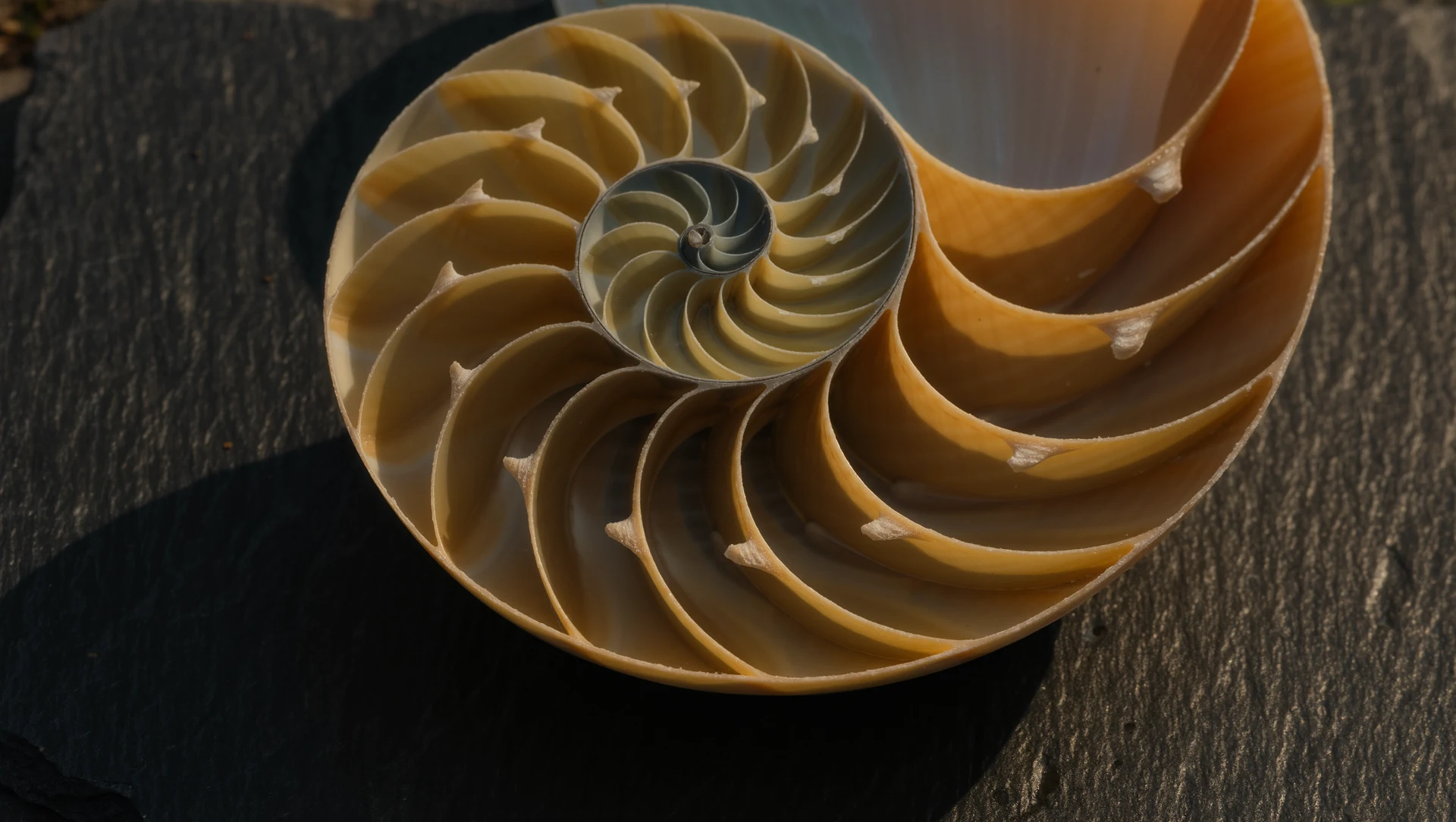

Sacred geometry is a fascinating field that explores the intricate patterns and shapes found in nature, art, and architecture. It is based on the belief that certain geometric shapes and proportions hold spiritual significance and can influence our perception of beauty and harmony. At its core, sacred geometry seeks to understand the underlying principles that govern the universe, revealing a connection between the physical and metaphysical realms.
This ancient practice has been revered across cultures and time periods, serving as a bridge between science, spirituality, and aesthetics. The study of sacred geometry encompasses various shapes, such as circles, triangles, and spirals, each representing different aspects of existence. For instance, the circle symbolizes unity and wholeness, while the triangle often represents the trinity of body, mind, and spirit.
By examining these shapes and their relationships, practitioners of sacred geometry aim to create designs that resonate with deeper meanings and evoke a sense of balance and tranquility.
Key takeaways
- Sacred geometry is the study of geometric forms and their relationship to the universe, often used in religious and spiritual contexts.
- Sacred geometry has been used in design for centuries, with examples found in ancient architecture, art, and religious symbols.
- The influence of sacred geometry on architecture can be seen in the use of geometric shapes, proportions, and patterns to create harmonious and balanced spaces.
- Sacred geometry plays a significant role in art and design, with artists and designers using geometric forms to create visually appealing and spiritually meaningful works.
- Sacred geometry enhances visual harmony by creating a sense of balance, proportion, and unity in design.
The History of Sacred Geometry in Design
The roots of sacred geometry can be traced back to ancient civilizations, where it played a crucial role in the design of temples, monuments, and sacred spaces. The Egyptians utilized geometric principles in the construction of the pyramids, aligning them with celestial bodies to reflect their beliefs about the afterlife. Similarly, the Greeks incorporated sacred geometry into their architectural masterpieces, such as the Parthenon, which exemplifies the golden ratio, a mathematical proportion believed to embody beauty.
Throughout history, sacred geometry has influenced various artistic movements. The Renaissance period saw a resurgence of interest in these principles, as artists like Leonardo da Vinci and Michelangelo integrated geometric forms into their works. This revival not only enhanced the aesthetic appeal of their art but also imbued it with deeper philosophical meanings.
The legacy of sacred geometry continues to inspire contemporary designers, who recognize its timeless relevance in creating harmonious spaces.
The Influence of Sacred Geometry on Architecture
Sacred geometry has profoundly influenced architectural design by providing a framework for creating structures that resonate with both functionality and beauty. Architects often employ geometric principles to establish proportions that evoke a sense of balance and harmony. For example, the use of the golden ratio in building design can create visually pleasing facades that draw the eye and enhance the overall aesthetic experience.
Moreover, sacred geometry encourages architects to consider the relationship between their structures and the surrounding environment. By aligning buildings with natural elements or celestial bodies, architects can create spaces that foster a sense of connection to nature. This approach not only enhances the visual appeal of a structure but also promotes sustainability by harmonizing human-made environments with the natural world.
The Role of Sacred Geometry in Art and Design
In art and design, sacred geometry serves as a powerful tool for conveying complex ideas and emotions. Artists often use geometric shapes to symbolize concepts such as unity, balance, and transformation. For instance, mandalas, intricate circular designs, are commonly used in spiritual practices to represent the universe and the journey toward enlightenment.
These designs invite contemplation and reflection, allowing viewers to connect with deeper aspects of their existence. Additionally, sacred geometry can enhance the visual impact of design by creating patterns that are both captivating and meaningful. Designers often incorporate geometric motifs into textiles, graphics, and product designs to evoke a sense of order and beauty.
By understanding the principles of sacred geometry, artists can create works that resonate with viewers on multiple levels, fostering a deeper appreciation for the interconnectedness of all things.
How Sacred Geometry Enhances Visual Harmony
One of the primary benefits of incorporating sacred geometry into design is its ability to enhance visual harmony. Geometric shapes possess inherent qualities that can create balance and proportion within a composition. For example, using symmetrical arrangements can evoke feelings of stability and calmness, while asymmetrical designs can introduce dynamism and movement.
Furthermore, sacred geometry encourages designers to consider the relationships between different elements within a composition. By employing principles such as repetition and rhythm, designers can create cohesive designs that guide the viewer’s eye through the work. This thoughtful approach not only enhances aesthetic appeal but also fosters a sense of connection between the viewer and the design.
The Spiritual and Symbolic Meaning of Sacred Geometry
Sacred geometry is rich with spiritual and symbolic meanings that transcend cultural boundaries. Many believe that these geometric forms hold keys to understanding the universe’s mysteries and our place within it. For instance, the Flower of Life, a complex pattern made up of overlapping circles, represents creation and interconnectedness.
It serves as a reminder that all life is interwoven and that we are part of a greater whole. In various spiritual traditions, sacred geometry is used as a meditative tool to facilitate inner exploration and self-discovery. Practitioners often engage with these geometric forms through meditation or visualization techniques, allowing them to tap into deeper states of consciousness.
This spiritual aspect adds another layer of significance to designs that incorporate sacred geometry, inviting viewers to reflect on their own journeys.
Applying Sacred Geometry in Modern Design
In contemporary design practices, sacred geometry is increasingly being embraced as a means to create meaningful and impactful spaces. Designers are recognizing that incorporating these principles can lead to more harmonious environments that promote well-being. From urban planning to interior design, sacred geometry offers valuable insights into how we can shape our surroundings for optimal comfort and functionality.
For instance, modern architects may use geometric patterns in floor plans to enhance natural light flow or improve acoustics within a space. Similarly, interior designers might incorporate geometric motifs in furnishings or decor to create a cohesive aesthetic that resonates with occupants on an emotional level. By applying sacred geometry thoughtfully, designers can elevate their work beyond mere aesthetics to create spaces that nurture both body and spirit.
The Use of Sacred Geometry in Product Design
Product design is another area where sacred geometry can play a transformative role. By integrating geometric principles into product development, designers can create items that are not only visually appealing but also ergonomically sound. For example, furniture designed with geometric shapes can enhance comfort while providing aesthetic value.
Moreover, products that incorporate sacred geometry often resonate with consumers on a deeper level. Items featuring geometric patterns or forms may evoke feelings of tranquility or inspiration, making them more desirable to potential buyers. As consumers increasingly seek products that align with their values and beliefs, incorporating sacred geometry into product design can set brands apart in a competitive market.
The Psychological Impact of Sacred Geometry in Design
The psychological impact of sacred geometry in design cannot be overstated. Research suggests that exposure to geometric patterns can influence our emotions and perceptions positively. For instance, designs based on harmonious proportions may evoke feelings of calmness and stability, while chaotic patterns may induce stress or discomfort.
Understanding this psychological aspect allows designers to create environments that promote well-being and productivity. By incorporating sacred geometry into their work, designers can craft spaces that foster creativity, relaxation, or focus, depending on the intended purpose. This awareness empowers designers to make informed choices about how they use geometric principles in their creations.
Sacred Geometry in Interior Design and Feng Shui
In interior design, sacred geometry plays a significant role in creating harmonious living spaces. Many interior designers draw upon these principles to establish balance and flow within a room. For example, using circular arrangements can promote a sense of unity, while angular shapes may introduce energy and movement.
Feng Shui: a traditional Chinese practice focused on harmonizing individuals with their environment, also incorporates elements of sacred geometry. Practitioners believe that specific geometric arrangements can influence energy flow (or “chi”) within a space.
By applying these principles thoughtfully, interior designers can create environments that support well-being and enhance overall quality of life.
The Future of Sacred Geometry in Design
As we move forward into an increasingly complex world, the relevance of sacred geometry in design is likely to grow even more pronounced. With rising awareness about sustainability and holistic living, designers are turning to these ancient principles for guidance in creating spaces that nurture both people and the planet. The future may see an even greater integration of technology with sacred geometry as designers explore innovative ways to apply these concepts in virtual environments or augmented reality experiences.
As we continue to seek meaning in our surroundings, sacred geometry will remain a vital tool for creating designs that resonate deeply with our shared human experience.
Sacred geometry offers profound insights into design across various disciplines, from architecture to product development.By understanding its principles and applications, designers can create spaces that not only captivate visually but also foster emotional well-being and spiritual connection.
As we embrace these timeless concepts in modern design practices, we pave the way for more harmonious living environments that reflect our innate desire for beauty and balance.
FAQs
What is sacred geometry?
Sacred geometry is the belief that certain geometric shapes and proportions have a spiritual or symbolic significance. It is often associated with religious and spiritual practices, as well as with the design of sacred spaces and objects.What are some examples of sacred geometric shapes?
Some examples of sacred geometric shapes include the circle, the square, the triangle, the pentagon, and the hexagon. These shapes are often believed to have specific meanings and associations in various spiritual and religious traditions.How is sacred geometry used in religious and spiritual practices?
Sacred geometry is used in religious and spiritual practices in a variety of ways, including in the design of sacred architecture, such as temples and churches, as well as in the creation of religious art and symbols. It is also believed to have significance in meditation and ritual practices.What are some common symbols associated with sacred geometry?
Some common symbols associated with sacred geometry include the Flower of Life, the Seed of Life, the Sri Yantra, and the Metatron’s Cube. These symbols are often used in religious and spiritual contexts to represent the interconnectedness of all things and the underlying order of the universe.Is there scientific evidence to support the claims of sacred geometry?
While sacred geometry is primarily a belief system rooted in spiritual and religious traditions, some proponents argue that there are scientific principles that support the significance of certain geometric shapes and proportions. However, these claims are often considered to be speculative and not widely accepted within the scientific community.More in
From the longevity core

Longevity · 8 min
The Science of Longevity: Secrets to a Longer Life
Longevity, the pursuit of a longer and healthier life, has fascinated humanity for centuries. As we look at the science of aging, we uncover
Longevity · 9 min
Unlocking the Secrets of Longevity: The Science Behind Living Longer
The quest for longevity has captivated humanity for centuries, inspiring countless myths, legends, and scientific inquiries. As we navigate
Longevity · 8 min
Unlocking the Secrets of Life Extension
Life extension is a fascinating field that explores the possibilities of prolonging human life and enhancing the quality of those additional