Food & Pleasure · Food & pleasure
Indulge in Comfort Food: A Delicious Escape
Comfort food holds a special place in our hearts and kitchens. It transcends mere sustenance, offering warmth, familiarity, and a sense of…
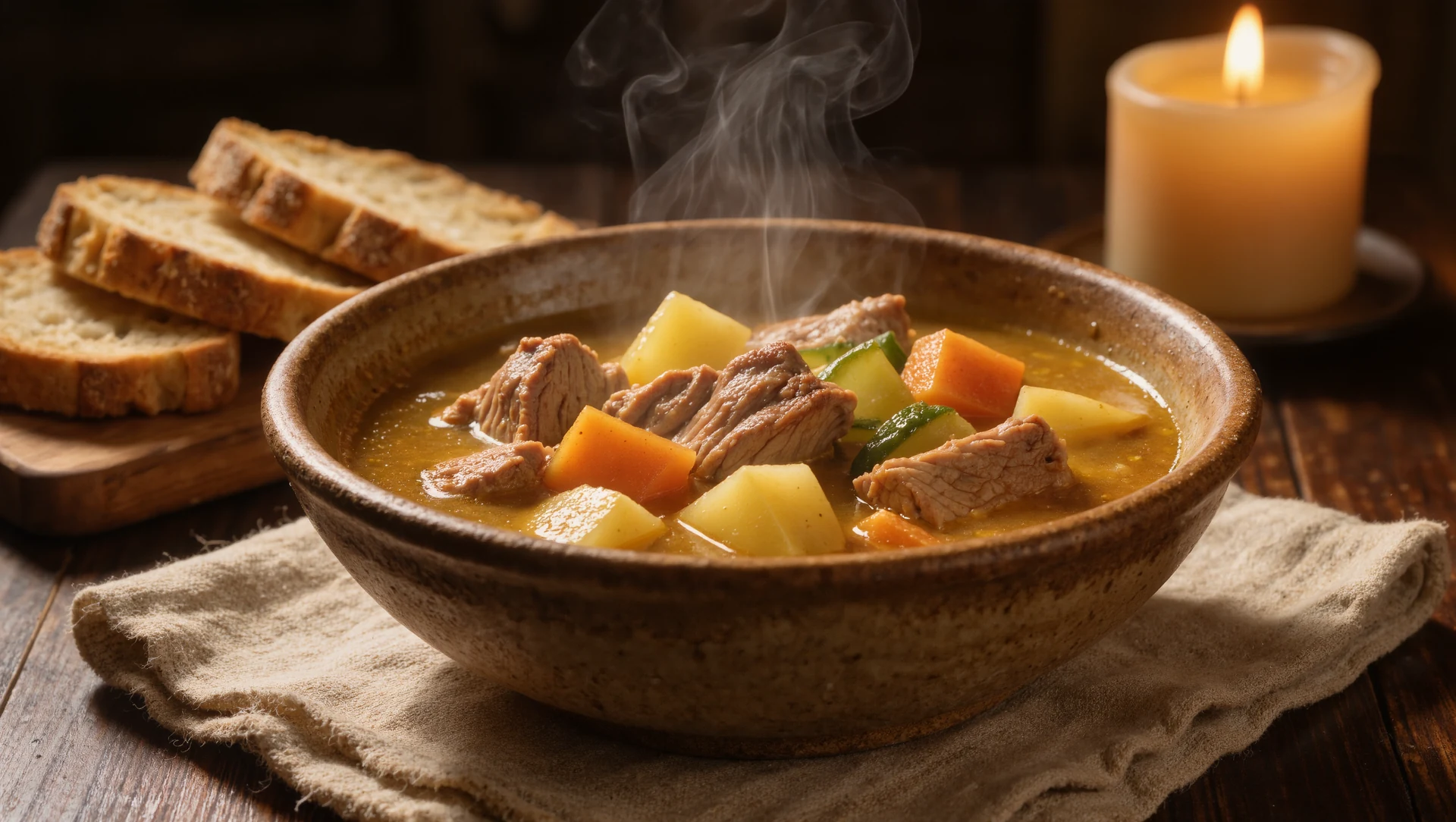

Comfort food holds a special place in our hearts and kitchens. It transcends mere sustenance, offering warmth, familiarity, and a sense of belonging. Whether it’s a bowl of creamy mac and cheese or a slice of homemade apple pie, comfort food evokes feelings of safety and contentment.
This culinary genre is not just about taste; it’s about the memories and emotions tied to each dish. The power of comfort food lies in its ability to soothe the soul, providing a refuge from the chaos of daily life. In times of stress or uncertainty, many people turn to their favorite comfort foods as a source of solace.
These dishes often remind us of home, family gatherings, or cherished moments from our past. The flavors and aromas can transport us back to simpler times, making us feel grounded and secure. As we explore the world of comfort food, we uncover not only its deliciousness but also its profound impact on our emotional well-being.
Key takeaways
- Comfort food has the power to evoke feelings of nostalgia and emotional connection, providing a sense of comfort and well-being.
- Exploring different cultures through comfort food allows for a deeper understanding and appreciation of diverse culinary traditions and practices.
- The science behind comfort food reveals that certain ingredients and dishes can trigger positive emotional responses and provide a sense of relief and satisfaction.
- Comfort food is closely linked to mental health, as it can serve as a form of self-care and provide a source of comfort during times of stress or anxiety.
- Creating the perfect comfort food menu involves incorporating healthy twists on classic dishes to promote overall well-being and balance.
Exploring Different Cultures through Comfort Food
Comfort food varies significantly across cultures, reflecting the unique traditions and histories of different regions. In Italy, for instance, risotto is a beloved dish that embodies warmth and care, often prepared for family gatherings. In Japan, ramen serves as a comforting bowl of noodles that brings people together, showcasing the importance of communal dining.
Each culture has its own interpretation of comfort food, revealing how culinary practices are intertwined with social connections. Exploring these diverse comfort foods allows us to appreciate the wide range of global cuisine. It opens doors to understanding different lifestyles and values.
For example, Mexican comfort food often includes hearty dishes like tamales or pozole, which are typically shared during festive occasions. By indulging in these foods, we not only satisfy our hunger but also engage with the stories and traditions that shape our world.
The Science Behind Comfort Food
The allure of comfort food is not just psychological; there’s a scientific basis for why these dishes make us feel good. When we consume foods high in carbohydrates or sugar, our bodies release serotonin, a neurotransmitter that contributes to feelings of happiness and well-being. This biochemical response explains why we often crave these foods during stressful times.
The combination of flavors and textures in comfort food can also stimulate the brain’s reward system, reinforcing our desire for these satisfying meals. Moreover, the act of preparing and consuming comfort food can be therapeutic. Cooking can serve as a mindful practice, allowing individuals to focus on the present moment while engaging their senses.
The process of chopping vegetables, stirring sauces, or baking bread can be meditative, providing a sense of accomplishment and joy. Understanding the science behind comfort food enhances our appreciation for its role in our lives.
The Emotional Connection to Comfort Food
Comfort food is deeply intertwined with our emotions. It often serves as a coping mechanism during challenging times, providing a sense of stability when everything else feels uncertain. Many people associate specific dishes with particular memories or experiences, creating an emotional bond that transcends time.
For instance, a bowl of chicken soup may remind someone of being cared for by a grandparent during illness, evoking feelings of love and security. This emotional connection can also be seen in how we share comfort food with others. Preparing a meal for someone in need or celebrating milestones with favorite dishes fosters connection and community.
The act of sharing food can strengthen relationships and create lasting memories, reinforcing the idea that comfort food is not just about individual satisfaction but also about nurturing bonds with loved ones.
Nostalgia and Comfort Food
Nostalgia plays a significant role in our relationship with comfort food. Many dishes evoke memories from childhood or significant life events, transporting us back to moments filled with joy and warmth. The taste of a beloved family recipe can trigger vivid recollections of gatherings around the dinner table or holiday celebrations.
This nostalgic aspect makes comfort food particularly powerful; it connects us to our past while providing solace in the present. As we grow older, our tastes may evolve, but the emotional ties to these foods often remain strong. Revisiting childhood favorites can be a way to reconnect with simpler times or honor family traditions.
This journey into nostalgia not only satisfies our cravings but also reinforces our identity and sense of belonging within our families and communities.
The Evolution of Comfort Food
Comfort food has evolved over time, adapting to changing tastes and lifestyles while retaining its core essence. Traditional recipes have been reimagined to accommodate modern dietary preferences and health trends. For example, classic fried chicken may now be prepared using healthier cooking methods like baking or air frying without sacrificing flavor.
This evolution reflects society’s growing awareness of nutrition while still honoring the comforting qualities that define these dishes. Additionally, globalization has introduced new flavors and ingredients into the realm of comfort food. Fusion cuisine blends elements from different cultures, creating innovative dishes that resonate with diverse palates.
This evolution allows individuals to explore new culinary experiences while still finding comfort in familiar flavors. As comfort food continues to adapt, it remains a vital part of our culinary landscape.
Healthy Twists on Classic Comfort Foods
As health consciousness rises, many are seeking healthier alternatives to traditional comfort foods without compromising on taste. Creative chefs and home cooks alike are experimenting with ingredients to provide nutritious twists on beloved classics. For instance, cauliflower can be transformed into creamy mashed potatoes, offering a lower-carb option that still delivers on flavor and texture.
Another popular trend is using whole grains instead of refined carbohydrates in recipes like lasagna or casseroles. Quinoa or brown rice can serve as nutritious bases that enhance the dish’s fiber content while maintaining its comforting essence. By incorporating fresh vegetables and lean proteins into these recipes, we can enjoy the satisfaction of comfort food while prioritizing our health.
Comfort Food and Mental Health
The relationship between comfort food and mental health is complex yet significant. Many individuals find solace in their favorite dishes during times of stress or anxiety.
The act of eating comfort food can provide temporary relief from negative emotions, acting as a form of self-soothing.
However, it’s essential to strike a balance; relying solely on food for emotional support can lead to unhealthy habits. Research suggests that certain foods can positively impact mental health by providing essential nutrients that support brain function. For example, omega-3 fatty acids found in fish have been linked to improved mood regulation.
Incorporating nutrient-dense ingredients into our comfort food choices can enhance both physical and mental well-being, creating a holistic approach to self-care.
Creating the Perfect Comfort Food Menu
Crafting the perfect comfort food menu involves understanding personal preferences while considering seasonal ingredients and dietary needs. Start by selecting a variety of dishes that cater to different tastes, think savory options like hearty stews alongside sweet treats like warm brownies or fruit cobblers. Including vegetarian or gluten-free options ensures everyone can partake in the comforting experience.
Presentation also plays a crucial role in enhancing the comfort food experience. Serving meals family-style encourages sharing and connection among diners, fostering an inviting atmosphere. Consider incorporating elements like fresh herbs or colorful garnishes to elevate the visual appeal of each dish while maintaining their comforting essence.
Comfort Food and Self-Care
Incorporating comfort food into self-care routines can be a powerful way to nurture oneself emotionally and physically. Taking time to prepare a favorite meal or indulge in a beloved dessert can serve as an act of self-love and mindfulness. Engaging in this culinary practice allows individuals to slow down and savor each bite, promoting relaxation and enjoyment.
Moreover, creating rituals around comfort food can enhance its significance in self-care routines. Whether it’s hosting a weekly family dinner or enjoying a solo movie night with homemade popcorn, these moments provide opportunities for reflection and rejuvenation. By prioritizing comfort food as part of self-care, we acknowledge its role in fostering well-being.
Sharing Comfort Food with Loved Ones
Sharing comfort food with loved ones amplifies its emotional impact and strengthens relationships. Preparing meals together fosters collaboration and connection while creating lasting memories around the dining table. Whether it’s hosting a potluck or simply inviting friends over for dinner, these gatherings allow us to celebrate life’s moments through shared culinary experiences.
Additionally, gifting homemade comfort food can be a heartfelt gesture during challenging times or celebrations alike. A batch of cookies or a warm casserole can convey care and support when words may fall short. By sharing comfort food with others, we not only nourish their bodies but also nurture their spirits, reinforcing the bonds that unite us all.
Comfort food is more than just sustenance; it embodies warmth, nostalgia, and connection across cultures and generations. By understanding its power and significance in our lives, we can appreciate the role it plays in fostering emotional well-being and community ties. Whether indulging in classic recipes or exploring new culinary creations, comfort food remains an essential part of our human experience, one that deserves celebration and sharing with those we love most.
FAQs
What is comfort food?
Comfort food refers to food that provides a sense of well-being and nostalgia, often associated with feelings of comfort and security. It is typically indulgent and satisfying, and is often linked to positive emotions and memories.Why do people crave comfort food?
People often crave comfort food during times of stress, sadness, or nostalgia because it can provide a sense of emotional support and familiarity. The act of consuming comfort food can trigger the release of feel-good chemicals in the brain, which can help improve mood and reduce stress.What are some common examples of comfort food?
Common examples of comfort food include macaroni and cheese, mashed potatoes, fried chicken, pizza, ice cream, chocolate, and other indulgent and familiar dishes. These foods are often associated with childhood memories and feelings of warmth and comfort.Is comfort food always unhealthy?
While many traditional comfort foods are high in calories, fat, and sugar, it is possible to enjoy healthier versions of comfort food by making simple ingredient swaps and modifications. For example, using whole grain pasta in macaroni and cheese or baking instead of frying chicken can make comfort food healthier.Can comfort food have a psychological impact?
Comfort food can have a psychological impact by providing a sense of emotional support and nostalgia. Consuming comfort food can trigger positive memories and associations, which can help improve mood and reduce stress. However, it is important to be mindful of overindulging in comfort food, as it can lead to negative health effects.More in
More from Food & Pleasure

Food & Pleasure · 8 min
5 Immune-Boosting Recipes for a Healthy Body
In today’s fast-paced world, maintaining a robust immune system is more crucial than ever. Immune-boosting recipes are designed to provide your

Food & Pleasure · 8 min
Delicious Low Carb Meals for Healthy Living
Low carb diets have gained significant popularity in recent years, primarily due to their effectiveness in weight management and overall health

Food & Pleasure · 8 min
Delicious Dairy-Free Meals for Every Occasion
In recent years, the demand for dairy-free meals has surged, driven by a growing awareness of lactose intolerance, dairy allergies, and the