Mental Health · Health information
Finding Peace: Guided Meditation for Stress Relief
Guided meditation is a powerful tool that can transform your mental and emotional well-being. By following a recorded or live guide, you can…


Guided meditation is a powerful tool that can transform your mental and emotional well-being. By following a recorded or live guide, you can immerse yourself in a meditative state that promotes relaxation, reduces stress, and enhances self-awareness. The benefits of guided meditation extend beyond mere relaxation; they include improved focus, emotional regulation, and even physical health benefits such as lower blood pressure and reduced anxiety levels.
As you engage in this practice, you may find that it helps you cultivate a deeper connection with yourself and the world around you. Moreover, guided meditation can be particularly beneficial for beginners who may feel overwhelmed by the idea of meditating alone. The presence of a guide provides structure and reassurance, making it easier to let go of distractions and enter a state of calm.
This practice can also be tailored to meet individual needs, whether you seek to alleviate stress, enhance creativity, or foster a sense of gratitude. By understanding these benefits, you can make an informed decision to incorporate guided meditation into your daily routine.
Key takeaways
- Guided meditation can help reduce stress, improve focus, and promote relaxation.
- Creating a peaceful and comfortable environment is essential for effective meditation.
- Deep breathing and mindfulness techniques can aid in stress relief and relaxation.
- Finding the right guided meditation that resonates with you is key to a successful practice.
- Incorporating mindfulness into your daily routine can lead to a more balanced and centered mindset.
Creating a Relaxing Environment for Meditation
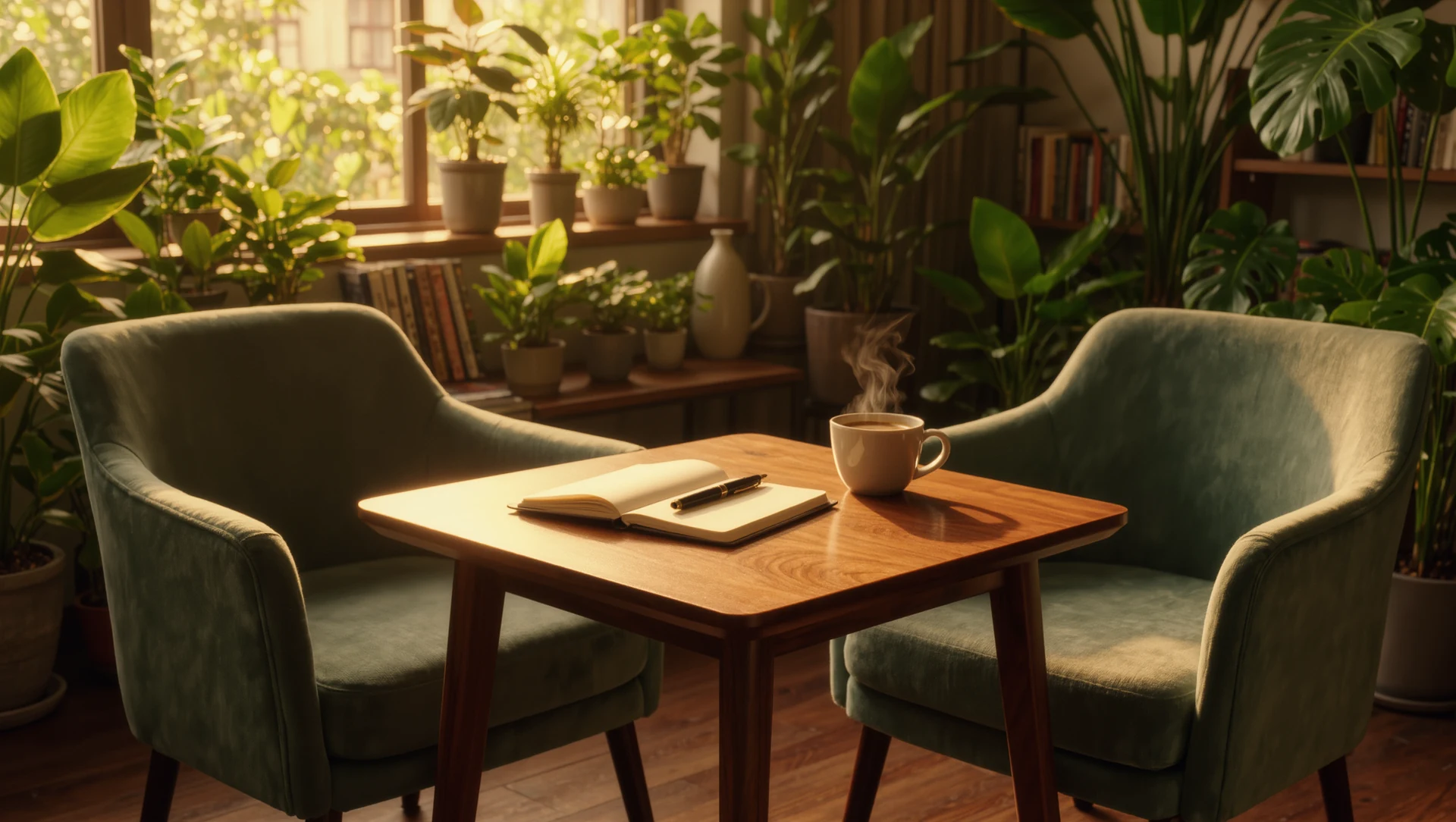
Creating a relaxing environment is essential for effective meditation. A peaceful space allows you to focus on your practice without distractions. Start by choosing a quiet area in your home where you feel comfortable and safe.
Consider dimming the lights or using soft lighting to create a soothing atmosphere. You might also want to add elements that promote relaxation, such as candles, incense, or essential oils. These sensory cues can help signal to your mind that it’s time to unwind.
In addition to physical elements, consider the sounds in your environment. Soft music or nature sounds can enhance your meditation experience. If you prefer silence, ensure that your space is free from interruptions.
You may also want to invest in comfortable seating or cushions to support your body during meditation. By taking the time to create a calming environment, you set the stage for a more profound and fulfilling meditation experience.
Breathing Techniques for Stress Relief
Breathing techniques are fundamental to meditation and can significantly enhance your ability to manage stress. One effective method is the 4-7-8 technique, where you inhale for four counts, hold your breath for seven counts, and exhale for eight counts. This practice not only calms the mind but also activates the parasympathetic nervous system, promoting relaxation.
Regularly incorporating this technique into your meditation can help you develop a deeper sense of tranquility. Another beneficial breathing technique is diaphragmatic breathing, which involves engaging the diaphragm fully while inhaling and exhaling. This method encourages deeper breaths and increases oxygen flow to the body, helping to reduce feelings of anxiety and tension.
As you practice these techniques, pay attention to how your body responds. Over time, you’ll find that conscious breathing becomes a natural part of your meditation practice and daily life.
Finding the Right Guided Meditation for You
Finding the right guided meditation is crucial for maximizing its benefits. With numerous options available, it’s essential to explore different styles and formats to discover what resonates with you. Start by identifying your goals, whether you want to reduce stress, improve focus, or enhance sleep quality.
Once you have a clear intention, search for guided meditations that align with those objectives. Platforms like apps, websites, and podcasts offer a variety of guided meditations tailored to different needs. Listen to samples before committing to a specific session; this will help you gauge whether the guide’s voice and style suit your preferences.
Additionally, consider the length of the meditation: some may prefer shorter sessions for quick relief, while others may enjoy longer practices for deeper exploration. By taking the time to find the right guided meditation, you’ll enhance your overall experience and effectiveness.
Incorporating Mindfulness into Your Daily Routine
Incorporating mindfulness into your daily routine can significantly enhance your overall well-being. Mindfulness involves being present in the moment and fully engaging with your surroundings without judgment. Start by setting aside a few minutes each day for mindfulness practice.
This could be as simple as focusing on your breath while waiting in line or savoring each bite during meals. You can also integrate mindfulness into everyday activities such as walking, cleaning, or even showering. Pay attention to the sensations in your body and the environment around you during these tasks.
By cultivating mindfulness throughout your day, you’ll develop a greater awareness of your thoughts and feelings, leading to improved emotional regulation and reduced stress levels.
Overcoming Common Challenges in Meditation
Many individuals face challenges when starting their meditation journey. Common obstacles include a wandering mind, difficulty sitting still, or feeling impatient with the process. Recognizing these challenges is the first step toward overcoming them.
Understand that it’s normal for thoughts to arise during meditation; instead of fighting them, acknowledge them and gently bring your focus back to your breath or guided instructions.Another challenge is finding time for meditation in a busy schedule. To address this, consider setting aside specific times each day dedicated solely to your practice.
Even short sessions can be beneficial; consistency is key. Additionally, be patient with yourself as you navigate these challenges, meditation is a skill that takes time to develop. By approaching these obstacles with compassion and understanding, you’ll find it easier to maintain a consistent practice.
Using Visualization Techniques for Relaxation
Visualization techniques can enhance your meditation experience by allowing you to create mental images that promote relaxation and peace. During meditation, imagine yourself in a serene environment, perhaps a tranquil beach or a lush forest. Engage all your senses as you visualize this place; feel the warmth of the sun on your skin or hear the gentle rustle of leaves in the breeze.
You can also use visualization to manifest specific goals or intentions during your practice. Picture yourself achieving what you desire, whether it’s improved health, success in your career, or deeper relationships. This technique not only fosters relaxation but also empowers you to take actionable steps toward your aspirations.
By incorporating visualization into your meditation routine, you’ll deepen your sense of calm while enhancing motivation.
Incorporating Affirmations into Your Meditation Practice
Affirmations are positive statements that can help shift your mindset and reinforce self-belief during meditation. By repeating affirmations such as “I am calm” or “I am worthy,” you can cultivate a more positive self-image and reduce negative thought patterns. Integrating affirmations into your practice can be done by silently repeating them during meditation or writing them down beforehand.
Choose affirmations that resonate with your goals and values; this personal connection will enhance their effectiveness. As you repeat these statements during meditation, visualize their truth manifesting in your life. Over time, affirmations can help rewire negative thought patterns and foster a more optimistic outlook on life.
Exploring Different Types of Guided Meditation
Guided meditation comes in various forms, each offering unique benefits tailored to different needs. Some popular types include mindfulness meditation, which focuses on present-moment awareness; loving-kindness meditation, which cultivates compassion toward oneself and others; and body scan meditation, which promotes relaxation by bringing awareness to different body parts. Exploring these different types allows you to find what resonates most with you.
You might discover that certain styles work better for specific goals, such as using loving-kindness meditation during stressful times or body scan meditation before sleep. By diversifying your practice with various guided meditations, you’ll keep your routine fresh and engaging while maximizing its benefits.
Cultivating a Positive Mindset through Meditation
Meditation is an effective tool for cultivating a positive mindset by fostering self-awareness and emotional regulation. As you meditate regularly, you become more attuned to your thoughts and feelings, allowing you to identify negative patterns that may hinder personal growth. This awareness empowers you to challenge those thoughts and replace them with more constructive beliefs.
Additionally, meditation encourages gratitude by prompting reflection on positive experiences and relationships in your life. By focusing on what you appreciate during your practice, you’ll naturally cultivate a more optimistic outlook on life. Over time, this shift in mindset can lead to improved mental health and overall well-being.
Tips for Maintaining a Consistent Meditation Practice
Maintaining a consistent meditation practice requires commitment and strategy. Start by setting realistic goals; even five minutes of daily meditation can yield significant benefits over time. Choose a specific time each day that works best for you, whether it’s morning or evening, and stick to it as much as possible.
Creating a dedicated space for meditation can also help reinforce consistency; having a designated area signals to your mind that it’s time to focus on your practice. Additionally, consider using apps or joining local groups for accountability and support. Remember that consistency is more important than duration; prioritize regular practice over lengthy sessions for lasting results.
Guided meditation offers numerous benefits that can enhance both mental and emotional well-being when practiced consistently and mindfully. By creating a relaxing environment, exploring various techniques, and overcoming common challenges, you can cultivate a fulfilling meditation practice that enriches your life in profound ways. Embrace this journey with patience and openness; the rewards are well worth the effort.
FAQs
What is guided meditation?
Guided meditation is a form of meditation where an individual is led through a series of visualizations and relaxation techniques by a trained practitioner or through recorded audio.What are the benefits of guided meditation?
Guided meditation can help reduce stress, improve focus and concentration, promote relaxation, and enhance self-awareness. It can also be used to address specific issues such as anxiety, insomnia, and chronic pain.How does guided meditation work?
During guided meditation, the practitioner or recorded audio provides instructions and prompts to help the individual relax, focus their mind, and visualize peaceful and calming scenes. This can help the individual achieve a state of deep relaxation and inner peace.Is guided meditation suitable for everyone?
Guided meditation can be beneficial for most people, but it may not be suitable for individuals with certain mental health conditions or those who have difficulty following verbal instructions. It’s important to consult with a healthcare professional before starting any new meditation practice.Can guided meditation be done at home?
Yes, guided meditation can be done at home using recorded audio or online videos. It’s important to find a quiet and comfortable space where you can relax without distractions.How often should guided meditation be practiced?
The frequency of guided meditation practice can vary depending on individual needs and preferences. Some people may benefit from daily practice, while others may find it helpful to meditate a few times a week. It’s important to find a routine that works for you and to be consistent with your practice.More in
More from Mental Health
Mental Health · 8 min
Empower Your Mind: Mental Health Coaching for Wellness
Mental health coaching is a supportive and empowering process designed to help individuals navigate their emotional and psychological

Mental Health · 9 min
Improving Mental Health Care: A Vital Priority
Mental health care is a critical component of overall well-being, influencing how individuals think, feel, and act. It encompasses a range of

Mental Health · 8 min
Yoga: A Powerful Tool for Mental Health
Yoga is an ancient practice that harmonizes the body, mind, and spirit. Its roots trace back thousands of years, originating in India, where it